
Delegates will gain up to 11 hours CPD from a variety of sessions covering civil, commercial, workplace, SEND, community, academic and peer mediation, as well as taking a look at mediation and diplomacy, legal and policy updates, hearing from the DfE on the new SEND reforms, mediator skills-based sessions, and much more.
Conference Programme

Making Connections
Join us for a networking session in small groups, bringing together delegates, conference speakers and CMC board members for an informal chat, giving you an opportunity to connect and exchange.
7 & 8 October, 12.30 – 1pm • Pre-Conference Chat

The Next Chapter for Mediation: Perspectives from Practice and Civil Justice Reform – Amrik Kandola, Professor John Sorabji
An experienced commercial mediator, Amrik Kandola spent more than 25 years at one of the world’s leading commercial law firms and having qualified as a mediator in 2000, he has witnessed the evolution of mediation throughout his career. With John Sorabji, the Co-Director of UCL’s Centre for Dispute Resolution and leading scholar on civil justice reform, he co-chairs the Civil Justice Council’s Working Group on ADR. Together they will draw on their experience to reflect on the changing landscape for mediation and consider the opportunities and challenges that lie ahead.
7 October, 1.05 – 1.45pm • Keynote

CMC Update and what this means for you! – Kelly Stricklin-Coutinho, Victoria Harris, Andy Rogers
Hear directly from CMC leaders about the work underway to strengthen the mediation profession and what it means for mediators, providers and the wider dispute resolution community. As the CMC continues to deliver its ambitious three-year strategy, this session will explore progress across government engagement, guidance for mediators, raising the profile of mediation and initiatives designed to change the culture around conflict for future generations. Speakers will also provide updates on the Mediation Standards Board and the CMC’s new specialist groups, including the International and ED&I Working Groups.
7 October, 1.45 – 2.15pm

Dealmaking vs Peacebuilding: The Transactional and the Sustainable – Peter Marsden
High-profile agreements, rapid-fire diplomacy and headline-grabbing accolades. Those taking a cursory glance at world events could be forgiven for feeling sceptical about the state of peacebuilding. This session invites you to consider the role of mediation and dialogue in delivering meaningful, lasting change.
7 October, 2.15 – 3pm

When Founders Fall Out: Mediation at the Heart of Business Conflict – Panel moderated by Carolyn Jones with Andrew Pepper, Chrystalla Spire, and Mandeep Kaur Virdee
Founder disputes are among the most complex and emotionally charged commercial conflicts that mediators encounter. What may begin as a disagreement over strategy, roles, or equity can quickly escalate into disputes that threaten the future of a business, its employees, investors, and stakeholders.
This panel, moderated by Carolyn Jones from the Civil Mediation Council’s Commercial Working Group, will explore the unique dynamics of founder disputes, why they can be particularly challenging to resolve, and the skills and approaches that can help parties move towards agreement. Drawing on real-world experience, the panel will discuss common causes of founder conflict, practical mediation techniques, legal and commercial considerations, and lessons for mediators working in this increasingly important area of practice.
7 October, 3.15 – 4pm • Breakout Room

Strengthening SEND Mediation: Navigating Change with Purpose – Discussion with the DfE, hosted by Dominic Collis and Nicola Cleaver
This specialist SEND workshop, hosted by Nicola Cleaver & Dominic Collis of Collis Mediation Ltd, comes at a crucial moment for the SEND system as the sector prepares for the next phase of reform. Representatives from the Department for Education will be present to stay connected to the themes emerging from SEND mediation practice and to hear directly from the professionals working at the heart of statutory dialogue.
The session will also feature insight from the Deputy CEO and Director of Operations – Parliamentary and Health Service Ombudsman, who’s organisation has recently navigated a period of reform with clarity, transparency and a strong focus on public trust. This perspective offers a powerful example of how systems can evolve in ways that strengthen delivery, improve accessibility and support better outcomes for families.
Drawing on themes emerging from the SEND reform consultation, this workshop will explore the issues shaping the future landscape and consider how statutory SEND mediation can continue to sharpen its effectiveness and deliver legally robust outcomes that genuinely meet the needs of children, young people and their families. It is an essential session for practitioners who want to stay informed, solution‑focused and ready for the changes ahead.
7 October, 3.15 – 4pm • Breakout Room

Comms for Community Mediation: Storytelling for Impact – Beth Colson
Community mediation services deliver vital work in often complex and sensitive situations, yet many organisations face the challenge of communicating their impact with limited time, capacity, and budget. Added to this is the confidential nature of mediation itself, which can make storytelling feel particularly difficult.
Led by Pulitzer Prize-winning journalist Beth Colson, this practical breakout session will explore simple, effective ways community mediation services can showcase their value through authentic and ethical storytelling. Designed for staff, volunteers, and service leaders, the session will provide accessible ideas and tools to help organisations strengthen their communications, raise awareness, and demonstrate impact without needing a dedicated communications strategy or large budget.
7 October, 3.15 – 4pm • Breakout Room

Valuable Legal Education for Aspiring Human Mediators – Alex Nicholson
Most students choose to study law because they see it as a route into the legal profession, and recent civil justice reforms mean that mediation has an increasingly important role to play in the legal services market. One response might be to embed mediation training more systematically within legal education, but this oversimplifies the problem. My research suggests that legal educators can’t agree on the purpose of a law degree; is it primarily about preparing for professional practice, or is it better understood as a broader public good?
At the same time, generative artificial intelligence is beginning to redefine what it means to practise law, and the marketisation of higher education means growing pressure on law schools to prioritise the recall and application of established legal rules. In this session, I will consider what it means to educate lawyers in this changing context, using mediation as a particularly important example of a lawyerly practice that will continue to rely on human skills, such as judgement, empathy and trust.
7 October, 3.15 – 4pm • Breakout Room

Overcoming Deadlock in Mediation: Tips and Techniques for the Mediator – Eve Pienaar
Delivered by experienced full time mediator and CMC Fellow, Eve Pienaar, this practical 30-minute session explores how the mediator can help parties overcome deadlock. Drawing on her experience of 20 years as a commercial mediator, Eve will share thoughts and tips on how to avoid deadlock and also what process or other interventions can help extricate parties from deadlock. Most mediations will encounter roadblocks on the day.
The skill of the mediator is keeping options open, a vision of a better future alive and identifying creative solutions to enable settlement. Eve will share some examples of what has worked to break deadlock, based on practical case studies from her experience as full-time commercial mediator.
7 October, 4 – 4.30pm

Intercultural Fluency in Mediation: Inclusive Practice – Afsana Gibson Chowdhury, Claudia Haisman-Green
As mediation becomes increasingly embedded within the UK’s evolving justice system, mediators must critically examine their ability to effectively serve a diverse and multicultural population facing complex social and cultural issues. This session explores blind spots that can affect neutrality, communication, trust, and participation and challenge mediators to consider how they can break down barriers, build cultural awareness, and make genuine room for all voices within the mediation process.
7 October, 4.30 – 5pm

Keynote Day 2: Mediation and UK Politics – Sir Julian Smith CBE MP, Visiting Professor in Practice, LSE, Mediation and Facilitation Initiative
As politics becomes increasingly polarised, how can mediation and facilitation help broker better outcomes and reduce the temperature of debate and of policy disagreements.
8 October, 1 – 1.45pm • Keynote

Keynote Day 2: Mediating at the Edge – Jane Gunn
What happens in the workplace when someone wants to Blow the Whistle on a person or a practice – something they have seen, heard or experienced that they would like to report but are afraid to do so?
Whistleblowing is often regarded as a “Hot Potato” in organisations. For a variety of reasons:
• Involves strong emotions
• Issues of safety and protection
• May involve serious allegations
And so, the question is whether and when mediation is appropriate. In this session, Jane Gunn will share her own perspective and experiences and discuss the challenges and benefits of using mediation in such cases.
8 October, 1.45 – 2.30pm • Keynote

The Missing Piece? Mediation, Early Resolution and the Acas Code – Panel with Acas, Marie Coombes, and Nick Pahl, chaired by Dionne Dury
The inclusion of mediation in the new draft Acas Code of Practice is a welcome step forward — but does it go far enough? Come and hear directly from Acas, alongside an expert panel of mediators, as we explore the proposed changes and, crucially, what needs to happen next. With the opportunity to put your questions to ACAS and debate how early resolution can become a genuine part of workplace culture, we’ll look beyond the Code to the bigger picture: the real financial and human cost of conflict, the impact on health and wellbeing, and what organisations can do to intervene before disputes escalate to potentially damaging processes and an already stretched tribunal system.
The reference to mediation in the new draft Code is a welcome development. But if we really want to prevent conflict from escalating, how much further do we need to go?
8 October, 2.45 – 3.30pm • Breakout Room

Why Schools Say Yes: The Secret to Sustainable Peer Mediation – School leader panel moderated by Ben Harper
Ever wondered what makes a head teacher champion peer mediation? This interactive session brings together school leaders to share what convinced them to introduce peer mediation, the difference it has made to pupils and school culture, and how it supports stronger relationships across the wider community.
We will also hear how involving parents can amplify impact and give programmes longevity. A must-attend session for existing and aspiring peer mediation trainers seeking practical strategies for securing school buy-in, building sustainable programmes, and making mediation mainstream.
8 October, 2.45 – 3.30pm • Breakout Room

Mediation by Order: The Emerging Post-Churchill Case Law Every Dispute Resolver Needs to Know – Robin Somerville
The debate over whether parties can be compelled to mediate is over.
The real question now is how the courts are using their powers and what happens when parties fail to cooperate. This session explores the key judicial developments since Churchill v Merthyr Tydfil, examining the cases that are shaping the boundaries of court ordered mediation and redefining expectations around participation in ADR. Robin, a leading commercial mediator and barrister with experience spanning more than 1,000 disputes, will analyse the latest authorities, discuss emerging trends, and consider the particular question of timing. If the court is going to order mediation, or a stay for voluntary mediation, what factors will be influential in identifying the best window within which the parties might seek a resolution?
Designed for lawyers, mediators and dispute resolution professionals, this session offers a clear and practical guide to one of the most significant developments in civil justice in recent years.
8 October, 2.45 – 3.30pm • Breakout Room

AI in Mediation: Ethics, Costs, Sustainability and Utility – Julia Burns, Mark Tsagas, Roger Levitt, and Graham Ross
Artificial intelligence is already influencing mediation practice, from case preparation and document analysis to communication and process support. As such, the focus of the debate has shifted from the question ‘will AI be used in mediation?’ to ‘how can AI be used responsibly, ethically and to the benefit of the process?’.
This panel brings together individuals who have been supporting the CMC Mediation Standards Board with their examination of the implications of AI for the mediation profession. Drawing on the findings of a recent sector-wide consultation, the discussion will explore the opportunities AI presents, the risks it creates, and the practical guidance mediators may need to ensure that technology enhances rather than undermines the core values of mediation.
Join us for a timely conversation about the future of mediation practice and the enduring importance of human judgment, trust and empathy.
8 October, 2.45 – 3.30pm • Breakout Room

Designing Mediation for Neurodiversity: Building Processes that Work for Everyone – Marie Coombes and John Anderson
What can complaints teach us about the mediation process? As the CMC receives an increasing number of complaints involving neurodivergent individuals, there is an opportunity for the profession to reflect on how mediation processes are experienced by those with different communication styles, needs and ways of engaging with conflict.
Bringing together perspectives from mediation practice, complaints handling and neurodiversity expertise, this panel will explore how greater awareness and understanding can help mediators design more accessible and inclusive processes. Delegates will gain practical insights into supporting neurodivergent participants while enhancing the quality and effectiveness of mediation for everyone.
8 October, 3.30 – 4pm

An Update from HMCTS Mediation Service – Presentation by HMCTS
This session, led by speakers from HMCTS, will provide an update on the implementation of automatic referral to mediation within the Small Claims process. The speakers will share the latest data and insights on uptake and outcomes, discuss lessons learned to date, and explore the potential future direction for this important initiative.
8 October, 4 – 4.30pm
Acas
Representatives from Acas will join the CMC Conference 2026 to discuss the draft revised Acas Code of Practice and the place of mediation in early workplace dispute resolution.
Acas is an independent, publicly funded body that provides advice, conciliation and training to improve workplace relations across the UK. It supports employers and employees on all workplace issues, from disciplinary and grievance processes to discrimination and dismissal, and offers dispute resolution services including conciliation and mediation. Acas is widely recognised for its work resolving individual and collective employment disputes, and for its statutory Codes of Practice, which set out the standards employers and employees are expected to follow.
John Anderson
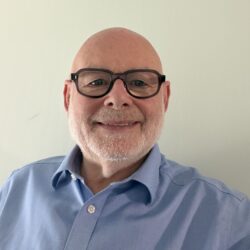
After 15 years of teaching, John Anderson MBE returned to study, graduating in Law from Edinburgh University in 1992. John retired as Head of Fitness to Teach with the General Teaching Council for Scotland (GTCS) and has served as lay panellist with several regulatory bodies, including the RCVS, CIPFA, CIMA, ICAS and RICS. Currently a member of the disciplinary committee of the Scottish Bar, he is also Chair of the Investigating Committee of the Farriers Registration Council, and a chair of the Investigating Committee of both the General Medical Council and the Nursing and Midwifery Council.
Julia Burns

Julia Burns is a mediator and experienced lawyer with a strong national reputation. She has significant expertise in resolving disputes for private individuals in the field of contentious trusts and probate. She is known for having a high degree of empathy and emotional intelligence, which are at the heart of what she does for clients and lawyers. Julia is the only accredited mediator in the country with a specialist private client mediation qualification. As such, her expertise is not just helping families to resolve an existing dispute through traditional mediation; she also works with individuals and families more holistically and on a more long-term basis to facilitate difficult conversations and to build positive family relationships.
Nicola Cleaver

Nicola Cleaver is a former criminal lawyer with a PhD in Social Sciences who now specialises in SEND mediation and disagreement resolution. She has extensive experience managing complex tribunal appeals and delivers CMC-accredited SEND training courses across the UK. As both a SEND professional and parent, she brings unique insight into the challenges families face when navigating statutory processes. Nicola has also trained with the National Autistic Society and NHS on autism, ADHD and communication disorders, and is a UK Registered Expert Witness in SEND as well as a member of the Civil Mediation Council, College of Mediators, CiLEX, Restorative Justice Council and Neurodiversity in Law.
Dominic Collis
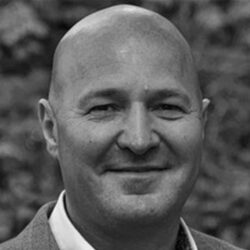
Dominic is the managing director of Collis Mediation Ltd. He comes to mediation from a commercial background, having spent much of his 30yr career at the most senior level in industry. Dominic is on the Board of Director’s of the CMC, a CMC Accredited SEND Mediator, Fellow member of the Chartered Management Institute, Trustee and Founding Panel Member of the Society of Mediators and his organisation is a CMC Approved Training Provider. Dominic has tutored at Kings College London, SHU Law amongst other establishments and delivers a suite of training to professionals.
Beth Colson

Beth Colson is an accredited mediator and communications specialist for mediation organisations. A Pulitzer Prize-winning journalist with more than 25 years in global news, she led editorial teams and shaped newsroom strategy across broadcast, digital and print before turning her attention to mediation. Most recently, she spent 18 months working with Calm Mediation, helping the organisation tell the stories behind its work and raise awareness of mediation’s impact within the community. Beth now helps mediation organisations communicate their mission and connect with wider audiences through storytelling.
Marie Coombes

With 25 years of HR expertise at Royal Mail and as a freelance consultant, Marie Coombes specialises in conflict transformation and psychological safety. She has successfully led over 300 workplace mediations and is deeply passionate about mental health. Marie applies her trauma-informed training to empower individuals and foster resilience within the workplace. Her achievements include multiple Mediation Team of the Year awards at Royal Mail and the prestigious 2020 Civil Mediation Council Workplace Mediator of the Year Award, earned during her first year as CEO of We Restore Calm.
A. Gibson Chowdhury

Afsana Gibson-Chowdhury is an award winning and trailblazing figure in Dispute Resolution. Globally recognized as the founder of ‘GC Mediation and Training Ltd’, she is a prominent international mediator based in England. She is a Distinguished Fellow at the International Academy of Mediators (IAM). Afsana addresses commercial and workplace cases with a special focus on discrimination concerning human rights violations. She facilitates multiparty dialogues and mediates processes on anti-Black, anti-Indigenous, Islamophobia, anti-Semitism and all forms of discrimination. Afsana is an accomplished Solicitor, a past adjudicator, and an adjunct professor in ADR.
Jane Gunn
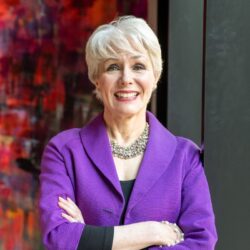
Jane Gunn is an expert in the field of conflict resolution, a trained mediator and facilitator, known to her clients as “The Barefoot Mediator”. Listed as a Global Leader in Who’s Who Mediation and featured in Legal 500 Hall of Fame, she is the author of 3 popular books “How to Beat Bedlam in the Boardroom and Boredom In The Bedroom”, “The Authority Guide To Conflict Resolution” and “The Mole and The Mountain”. She has spoken at the United Nations, The White House and the European Commission.
Claudia Haisman-Green

Claudia Haisman‑Green is a CEDR‑accredited mediator with more than two decades of experience as a Commercial Real Estate solicitor. Having spent much of her career in senior roles at leading international firms, Claudia brings deep expertise and commercial insight to her mediation practice. Her approach is calm, structured and empathetic, enabling parties to navigate conflict with clarity and confidence. Claudia works across commercial, property, partnership, and corporate disputes, helping individuals and organisations uncover underlying interests and move towards sustainable, pragmatic outcomes. Claudia is also a volunteer mediator with Mediation Hertfordshire.
Ben Harper

Ben Harper is the Peer Mediation National Co-ordinator for Quakers in Britain. Ben has worked in and around education for over 25 years and in various roles including primary teacher, youth worker and in leadership roles within alternative and therapeutic provision. Ben is based in Manchester but works all of the UK supporting people to deliver high quality Peer Mediation training to children and young people. Ben is also the current chair of the CMC Peer Mediation Working Group.
Victoria Harris

Victoria Harris is the Chief Executive of the CMC and a Trustee of Mediation Hertfordshire, a community mediation organisation. She holds an LLM from King’s College London and previously worked as an employment law solicitor for 15 years before qualifying as a mediator. Victoria spent over a decade in the community mediation sector and has authored three reports on the benefits of mediation for individuals and public services. In recent years, she has supported the CMC’s Commercial and Workplace Working Groups and established new groups for the Peer and Community Mediation sector and the CMC Academic Forum. She also serves on the Mediation Standards Board, helping to shape professional standards.
HMCTS

A small team from the Small Claims Mediation Service will join the CMC Conference 2026 to share an update on the service.
The Small Claims Mediation Service is a free mediation service provided by HM Courts and Tribunals Service, helping parties resolve money claims of up to £10,000 without the need for a court hearing. Mediation is usually carried out by telephone in one-hour, time-limited appointments, with a mediator helping both sides work towards a resolution. For many eligible claims, attending mediation is now a required step in the small claims process, alongside the option to proceed to a court hearing if no agreement is reached.
Carolyn Jones

Carolyn is a full-time mediator with over 25 years of experience as a solicitor and partner in leading law firms, specialising in commercial and banking litigation and corporate and personal insolvency. She brings a calm, pragmatic and solution-focused approach to mediation, believing that even the most entrenched disputes can be resolved collaboratively with the right support. Carolyn is highly rated in both Chambers and Legal 500, where she is described as “tenacious and extremely able” and “one of the most client-centred lawyers I have ever come across.” She is a Liveryman of the Worshipful Company of Arbitrators and Chair of the Civil Mediation Council’s Commercial Working Group.
Amrik Kandola

Amrik Kandola is a CEDR Chambers/Panel Mediator and full-time Commercial Mediator. Formerly a partner at Eversheds LLP (now Eversheds Sutherland) specialising in dispute resolution in construction, engineering, manufacturing, energy and complex/high value infrastructure projects. Amrik became a full time commercial mediator in 2018. He mediates across the full range of commercial and civil disputes. In December 2022, Amrik was named Civil/Commercial Mediator of the Year 2023 at the UK National Mediation Awards ceremony held at the House of Commons. In January 2024 Amrik was appointed the ADR Member to the Civil Justice Council (CJC).
Mandeep Kaur Virdee

Mandeep Kaur Virdee is Founder and CEO of KaurMaxwell, a multi-disciplinary boutique law firm, and a disputes lawyer, legal entrepreneur and thought leader. Having founded KaurMaxwell in 2018, she brings a rare dual lens to founder and shareholder disputes: lawyer and founder, having led complex commercial disputes where ownership, control and relationships are as much in play as the legal issues. A published legal author and Harvard- and Oxford-educated, Mandeep brings a practical, commercially grounded perspective to the moments when founder relationships, ambition and commercial interests collide.
Roger Levitt

Roger is ranked as a Leading Mediator by Legal 500 2027, having conducted over 300 commercial and property mediations, both online and face to face. He is a Fellow of the CMC, and a recent outgoing member of its Board and the Mediation Standards Board. He is on the CEDR Panel of Mediators, the CIArb Panel of Senior Commercial and Civil Mediators the TBG Mediator’s Panel, the Mediator Locator Panel of Mediators and is a member of The IMI, RICS/PLA Panel of Boundary Dispute Mediators. Roger provides mentoring services to aspiring and newly qualified mediators. He qualified as a solicitor in 1984 (since 2018, non-Practising).
Peter Marsden

Peter Marsden, CEO of Concordis International is a mediator and former public law solicitor. Nominated for this year’s Nobel Peace Prize, Concordis International and its network of over 650 local peacebuilders work largely out of the spotlight, focusing on long-term, locally led solutions. Their stories deserve to be heard. Join us to learn about the work of peacebuilders in Sudan, South Sudan and Central Africa, who are making a tangible difference at community level. Reducing violence, supporting livelihoods in fragile contexts, strengthening local institutions, and building resilience in the face of ongoing challenges.
Alex Nicholson

Alex is Professor of Legal Education in the School of Law at the University of Leeds. He began his legal career as a commercial litigator at DLA Piper before moving into higher education in 2014. He holds a PhD in Legal Education, an Executive MBA and Senior Fellowship of the Higher Education Academy. For the last decade, Alex has held senior academic leadership roles at Sheffield Hallam University and the University of Leeds, with responsibility for strategic curriculum development, educational innovation and the student experience. Alongside this, he undertakes external advisory work including founding a new law school, leading programme design processes, and advising on competence standards at a national regulatory level.
Nick Pahl

Nick is CEO of the Society of Occupational Medicine (SOM), the largest and oldest nationally recognised professional organisation for occupational health. SOM advances knowledge through its Journal of Occupational Medicine. It advocates to policy makers of the value of occupational health via its Patrons: Lord Blunkett, Dame Carol Black, Lord Popat and Sir Norman Lamb. Nick has held senior posts in the NHS, Hospice UK and MSI. He has completed a Windsor Leadership Trust and ACEVO next generation CEO training, a diploma in management, a degree in Economics and an MSc in Public Health from the London School of Hygiene and Tropical Medicine. He is currently Trustee of the British Geriatric Society and Chair of ROSPA’s National Occupational Health and Safety Committee. Nick received honorary membership of the Faculty of Public Health (FPH) and the FPH President’s Medal in 2025.
Adam Pepper

Andrew is a partner and Head of Special Situations at S&W, with over three decades of experience in high-level restructuring and turnaround roles, including within BDO, Kroll Zolfo Cooper, and Hilco Capital, where he was COO. He has acted for several household-name businesses, including House of Fraser, Jessops, Habitat, Woolworths and HMV, and is particularly interested in saving and improving stressed businesses before they reach the point of no return. He recently held the role of President of the Turnaround Management Association. His turnaround work has received strong industry recognition, including winning Turnaround Practitioner of the Year at the TRI Awards. He is a qualified Chartered Accountant and holds an Insolvency Practitioner licence.
Eve Pienaar

Eve is a highly regarded full-time commercial mediator, working across a range of commercial sectors including property and construction, professional negligence, intellectual property and general commercial such as shareholder disputes and insolvency. Eve has considerable experience of contentious probate cases, as well as workplace disputes and defamation claims. Eve is ranked as Tier 2 in Legal 500 and Band 2 with Chambers & Partners. She has mediated over 350 commercial cases and is regularly sought after for complex, high value or multi-party cases. She is a Fellow of the CMC and member of Lead Faculty member for CEDR. She also mediates for the ICC and LCIA. Eve is an IMI certified commercial mediator and a panel member of Equanim International.
Andy Rogers

Andy Rogers is a Trustee and Board Director of the CMC and part of the Executive Team at CEDR, working with clients and members, monitoring standards and liaising with industry, government and the media on behalf of the organisation. He is also a practicing mediator, with clients ranging from private individuals through to multinational organisations. Andy has consulted on numerous ADR projects in Europe, Asia, Africa and the Middle East. Prior to joining CEDR, he was a Senior Communications Account Director in two public relations consultancies.
Graham Ross

Graham Ross is a retired solicitor, currently mediating in shareholder disputes and who has for 24 years written, advised and been a trainer in Online Dispute Resolution (ODR). He is a Founder Member of The International Council for Online Dispute Resolution and a Fellow of The National Center for Technology and Dispute Resolution at the University of Massachusetts. He advises courts internationally on ODR and is an official Observer to the Council of Europe’s European Cyberjustice Network. He was a member of the CJC Working Party on ODR. He is a consultant to Smartsettle (Canada). He has presented on ODR at over 35 conferences and co-wrote the European chapter in the leading text book on ODR “Online Dispute Resolution: Theory and Practice”.
Sir Julian Smith MP

Sir Julian Smith CBE MP, Visiting Professor in Practice, LSE, Mediation and Facilitation Initiative, has been the Member of Parliament for Skipton and Ripon since 2010. He served as Government Chief Whip during the Brexit period before being appointed Secretary of State for Northern Ireland in 2019, where he led the negotiations that restored devolved government through the New Decade, New Approach agreement, earning him Spectator magazine’s Minister of the Year award. He has acted as mediator between the Royal College of Nurses and the Government, chaired the Department of Energy Security and Net Zero Taskforce on Alternative Dispute Resolution, and regularly raises questions in parliament on the role of mediation across the justice system. He is also Executive Chair of the International Finance Facility for Education.
Robin Somerville

Robin Somerville is a barrister, accredited civil, commercial and workplace mediator, and fee-paid civil judge. Specialising in shareholder, partnership, family business and commercial disputes, he has been practising as a mediator since 2009 and holds accreditation from both CEDR and the ADR Group. In his capacity as a judge, Robin regularly issues Churchill orders in appropriate cases. He acts as both mediator and mediation advocate, typically in multi-million-pound business disputes, and brings an unusual lived perspective having been a party to his own shareholder dispute which settled at mediation. Robin is also a published author on commercial mediation and a Visiting Lecturer on the Bar Course at the Inns of Court College of Advocacy.
John Sorabji

John Sorabji is an Associate Professor of Law at University College London, specialising in civil procedural law and alternative dispute resolution, and co-founder and co-director of UCL Laws’ Centre for Dispute Resolution. Outside academia, he previously served as Deputy Private Secretary to HM King Charles III and as Principal Legal Adviser to the Lord Chief Justice and the Master of the Rolls. He is a member of the Civil Justice Council, where he has chaired working parties on litigation funding and sits on its AI Working Group. He has also advised and given expert evidence to a range of bodies including the Council of Europe and the House of Commons Justice Select Committee.
Chrystalla Spire
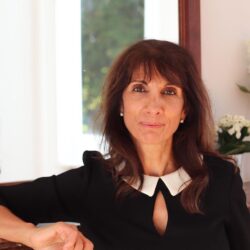
Chrystalla is a barrister, accredited civil and commercial mediator and experienced General Counsel, with extensive experience advising founder-led and growth businesses.Having spent many years working closely with founders, she brings a practical understanding of the commercial, legal and personal dynamics that can arise as businesses develop, take on investment and experience change. She has a particular interest in founder, shareholder and other business relationship disputes, where legal issues are often intertwined with questions of trust, relationships, control and the future direction of the business. Chrystalla is a member of the CMC, the Society of Mediators and is a Trustee of Mediation Hertfordshire.
Kelly Stricklin-Coutinho

Kelly Stricklin-Coutinho is a CEDR-accredited mediator and barrister and Chair of the CMC. Kelly was counsel, led by Edwin Glasgow KC, to the CMC, CEDR and Ciarb in the recent landmark case Churchill v Merthyr Tydfil. Prior to her tenancy at 39 Essex Chambers, Kelly was a solicitor in a US headquartered law firm in London where she was involved in litigation at every level. She was a blue-book stagiare at the European Commission, a judicial assistant to the Court of Appeal, and taught on the LLM course at King’s College London and the LLB at Birkbeck, together for over 10 years. She is ranked in the Legal 500 and Chambers & Partners.
Mark Tsagas

Mark is a Senior Lecturer and Researcher at the University of London’s (UEL) Law School and holds unique expertise in the area of ‘Emerging Technologies, Law, Ethics and Regulation’. Mark designed and leads the University’s ‘AI and Ethics’ postgraduate module, while also operating as a researcher for the Child Online Harms Policy Think Tank. Originally from a practitioner’s background he has since shifted to mediation (workplace, civil and commercial), blending academia and practice as associate director of the university’s ‘Centre for Mediation and Conflict Management’.
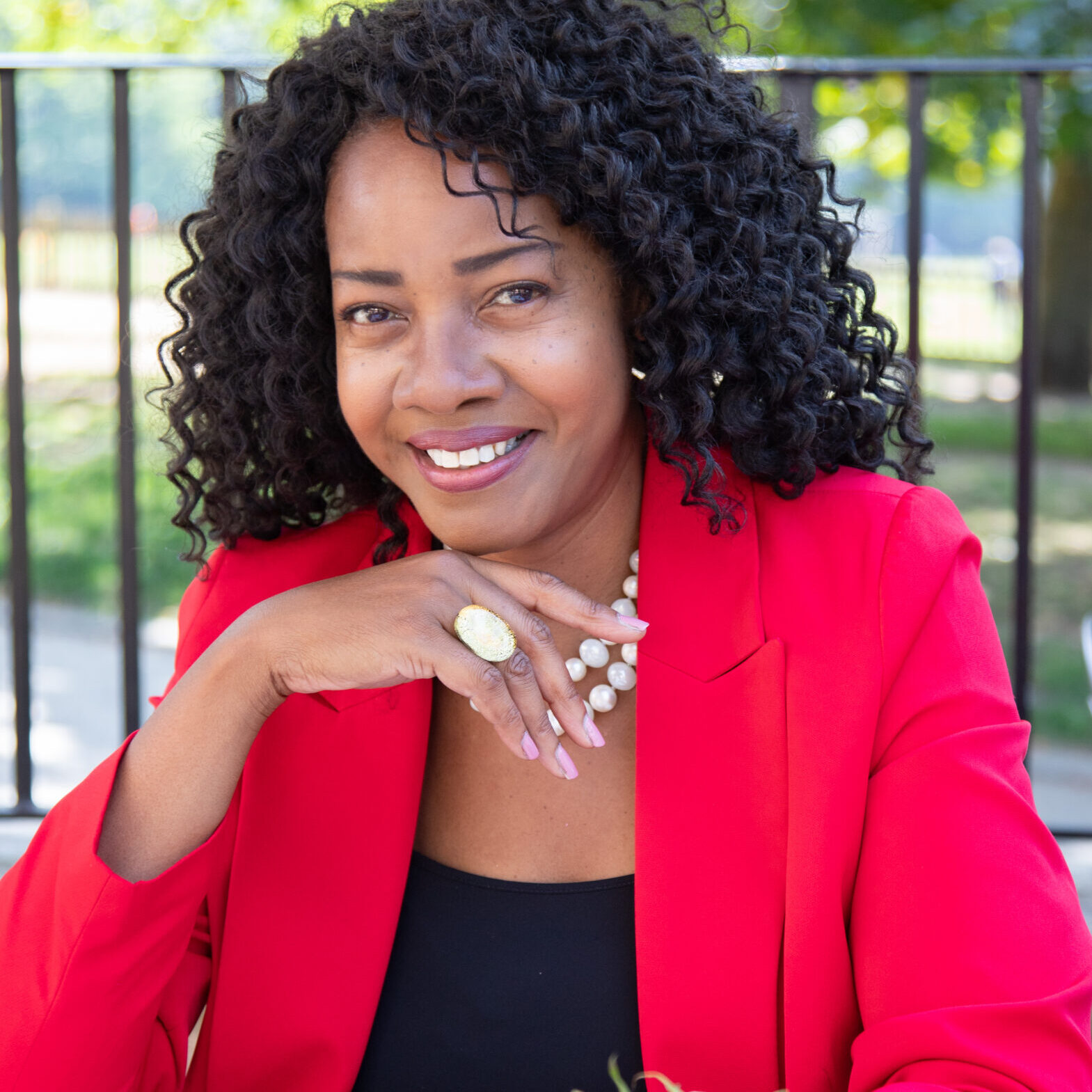
Your Conference Host Audrey Dorival
Audrey is a highly regarded expert in SEND Mediation and an experienced facilitator, trainer and speaker. She began her career as a commercial litigator in the City before discovering her passion for mediation. She went on to lead the award-winning KIDS SEND Mediation Service for over twenty years, supporting families, local authorities and schools navigate sensitive SEND disagreements. Now working nationally with organisations including the Medical Mediation Foundation, National Children’s Bureau, and KIDS, she champions the power of listening and collaborative working between families and professionals.
and Sarah Barclay
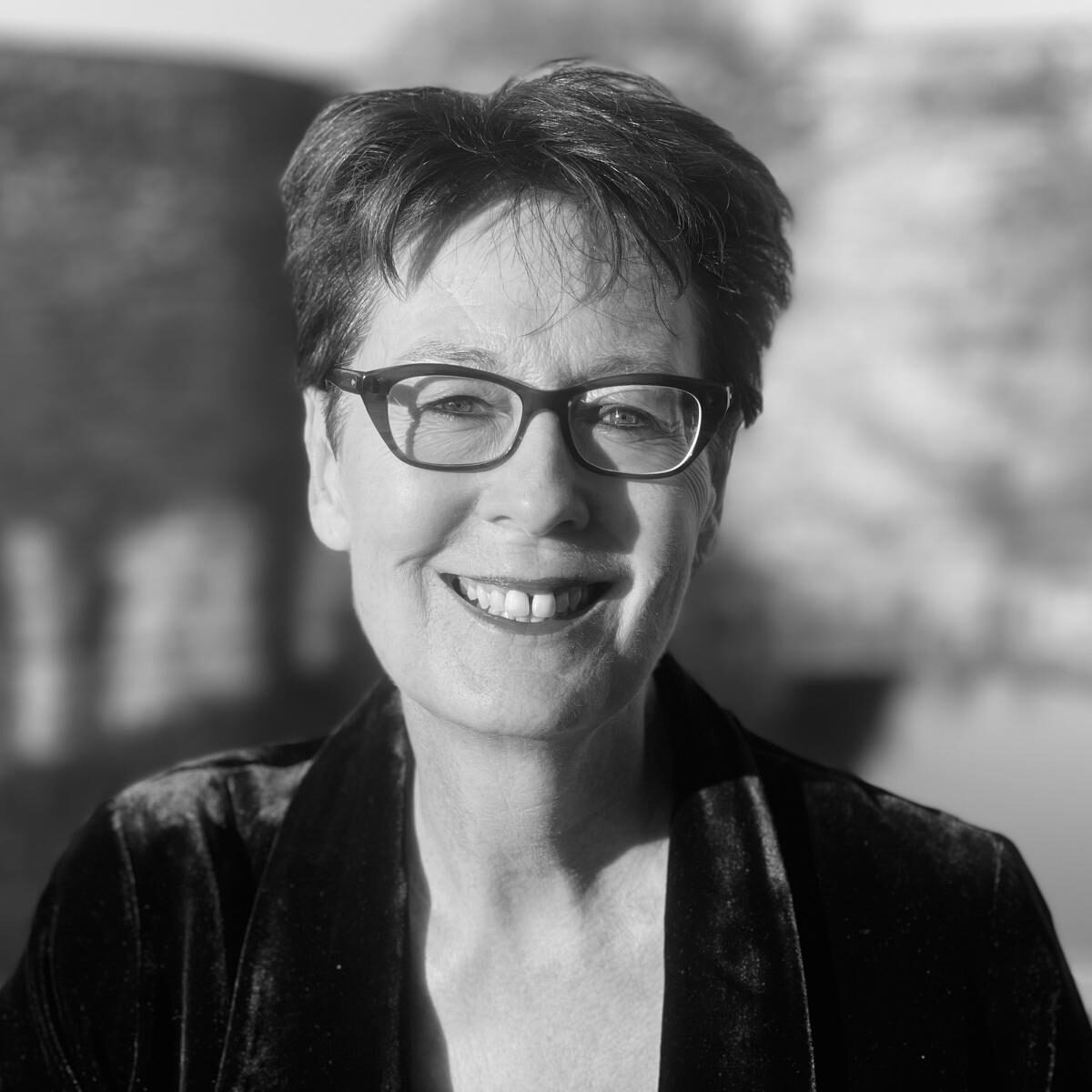
Sarah is the founder of The Medical Mediation Foundation and an accredited mediator specialising in mediating disagreements between parents and health professionals about the care and treatment of children. MMF provides mediation and conflict management training to support health professionals to recognise and manage conflict. She was the co-director of the pioneering Evelina Resolution project which piloted the use of mediation and conflict management training to clinical and non-clinical staff at the Evelina London Children’s Hospital. Since 2010, MMF has trained more than 12,000 health professionals in managing conflict in the UK and internationally. She is the co-author of the Foundation e-learning course in recognising and managing conflict, developed for NHS England. Sarah has a Masters degree in Medical Law and Ethics from King’s College London and is a former award winning journalist, author and BBC social affairs presenter. She was awarded a CBE in the 2026 King’s Birthday Honours.

Headline Sponsor

Mediation Supporters


Worried about missing a session? Watch it later!
We want to ensure that everyone has a chance to engage with the conference in a way that suits them best. This is why all conference sessions will be held online and the recordings will be made accessible for ticket holders after the event.
A viewing link with the recordings will be sent to all conference attendees as soon as the videos will be available.
Drinks & Networking for Conference Attendees!
All conference attendees are invited to attend a networking and drinks reception on the evening of 7 October. The event will start at 6.30pm after the conference day programme has ended.
This in-person event offers the opportunity to meet fellow attendees, engage with members of the CMC Board and executive team, and connect directly with some of the speakers. It’s a chance to continue the day’s discussions in a more relaxed setting—ideal for building relationships and expanding your professional network.
