CMC Deputy Chair Joins International Panel in Toulouse
CMC Deputy Chair Joins International Panel in Toulouse
CMC Deputy Chair Nicolas Fournier joined an international panel at France’s national conference for lawyers in Toulouse. The discussion explored when and how international disputes can be resolved amicably.
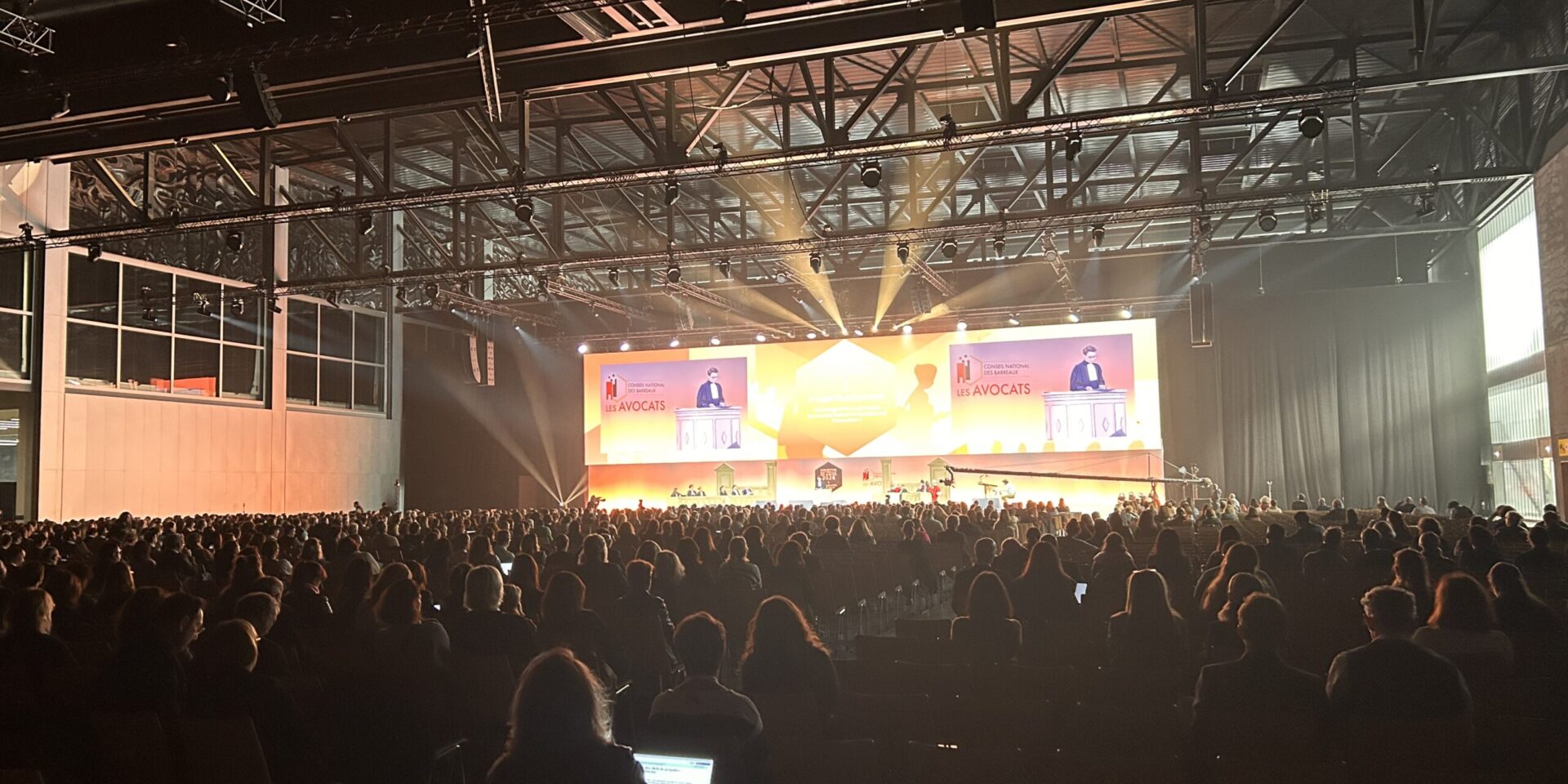
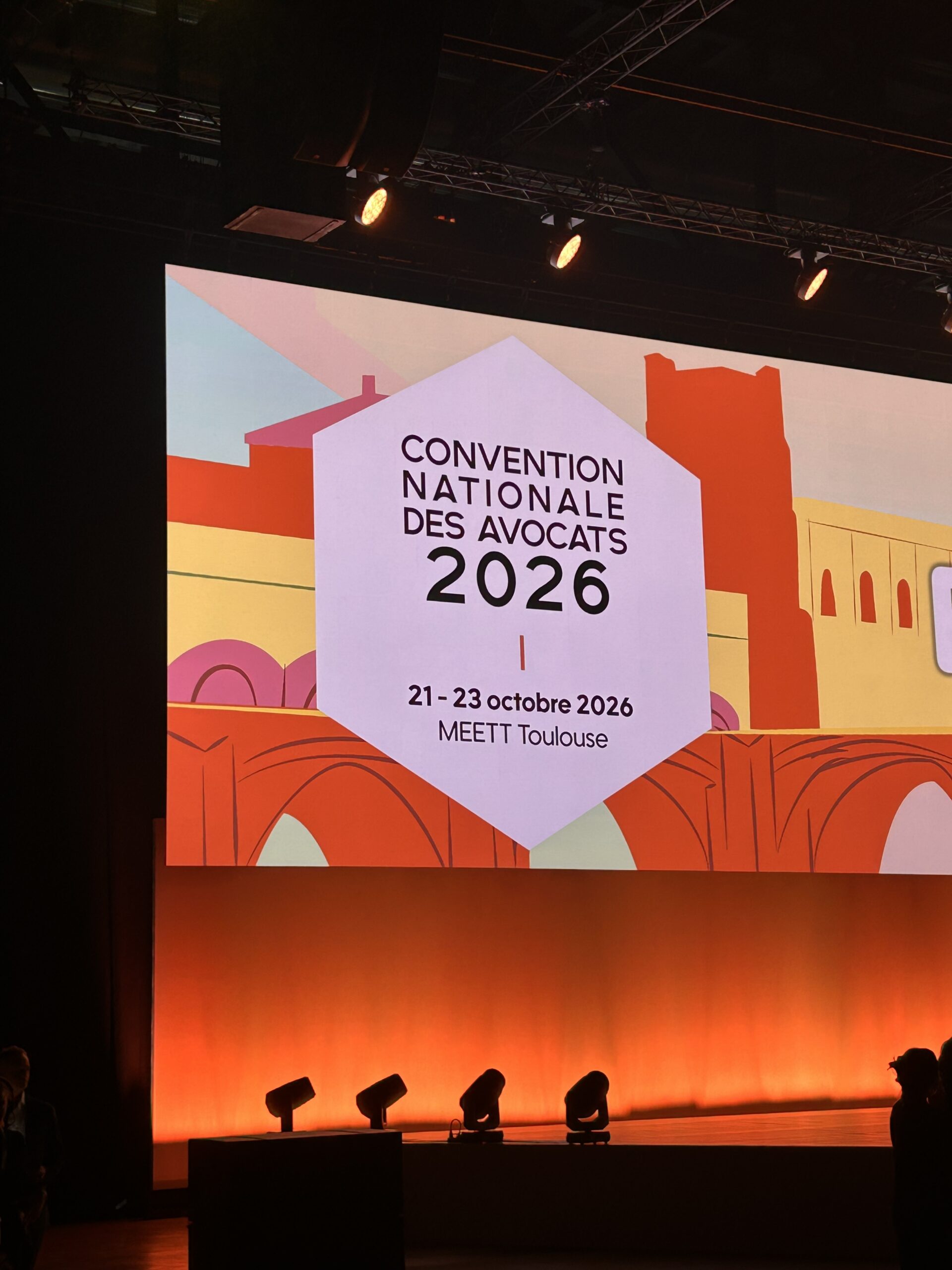
CMC Deputy Chair Nicolas Fournier represented the CMC on an international panel at the Convention Nationale des Avocats, the national conference organised by the Conseil National des Barreaux (CNB) in Toulouse from 21 to 23 October 2026.
The CNB, which can be compared to the Bar Council in England and Wales, is the national institution that represents all 78,000 practising lawyers in France, each of whom is also registered with one of 161 local bars.
Nicolas commented: “The prominence given to mediation at this conference, which brought together several thousand French attorneys, reflects not only the increasingly important role mediation plays each year, but also the essential role attorneys play in guiding and advising their clients toward dispute resolution that is in their best interests.”
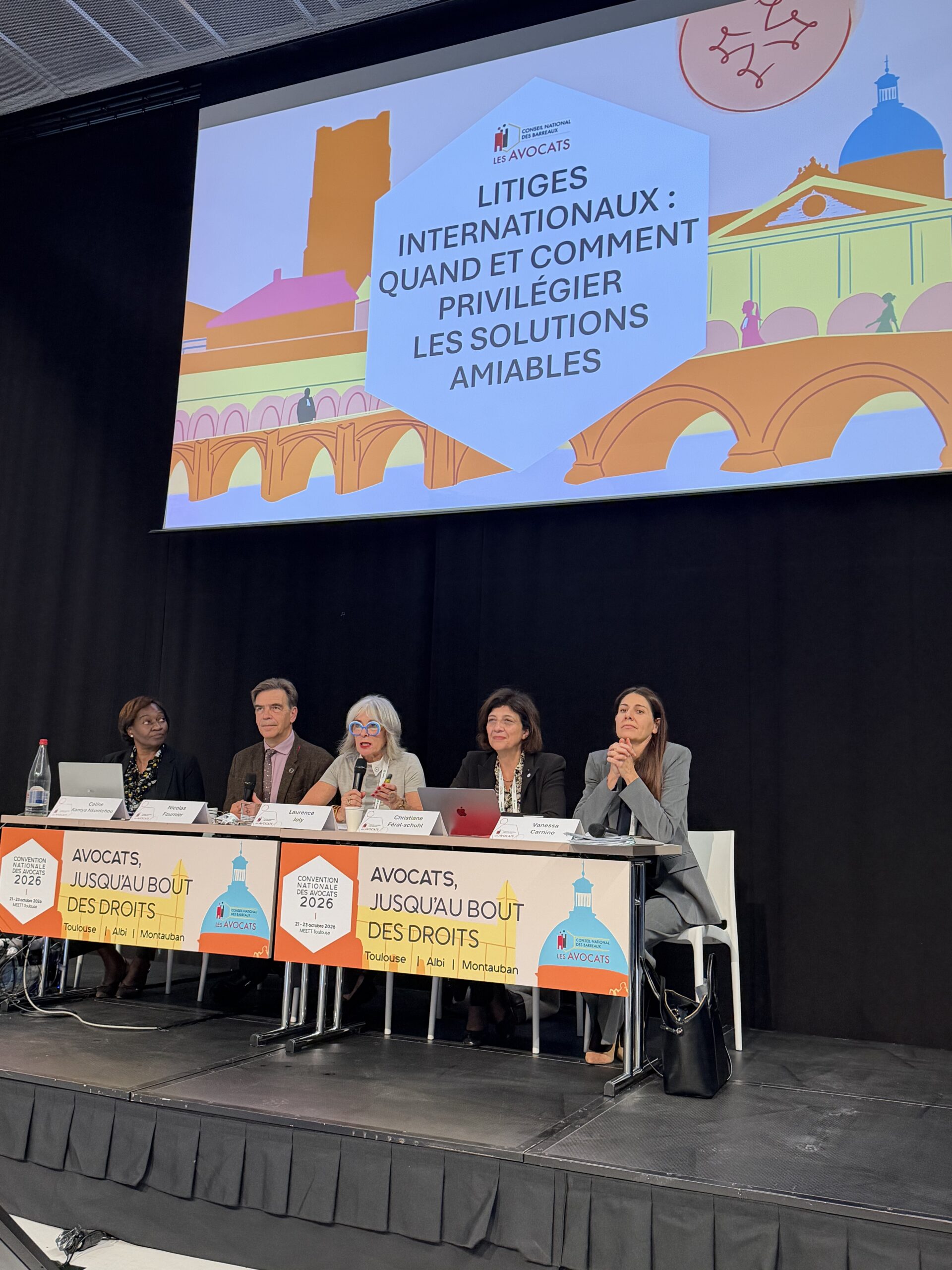
The panel titled International disputes: when and how to give a chance to an amicable resolution? was moderated by Laurence Joly, Deputy Chair of the Conseil National de la Médiation (CNM) in Paris. Alongside Nicolas, it brought together distinguished panellists Christiane Féral-Schuhl, former President of the Paris Bar, former Chair of the CNB and former Deputy Chair of the CNM; Vanessa Carnino, a lawyer and member of the Turin and Paris Bars; and Caline Kamya Nkontchou, a lawyer and member of the Cameroon and Paris Bars.
The session began with an overview of the legal framework for ADR in France, Québec, Italy, Cameroon, OHADA (the Organisation for the Harmonisation of Business Law in Africa) and England and Wales. For England and Wales, the focus was on the recent major changes: the Churchill judgment, the reform of the Civil Procedure Rules and the introduction of Automatic Referral to Mediation for small claims, which have made mediation an integral part of the civil justice system.
The panel then drew on the extensive experience of the panellists, all seasoned international commercial mediators, to address several questions:
• Can international mediation be court-ordered?
• How can confidentiality be preserved, and how is video conferencing gradually becoming the norm in international mediation?
• How does co-mediation specifically help in an international dispute?
• How difficult is it to enforce settlements following an international mediation, and how much has changed since the introduction of the Singapore Convention?
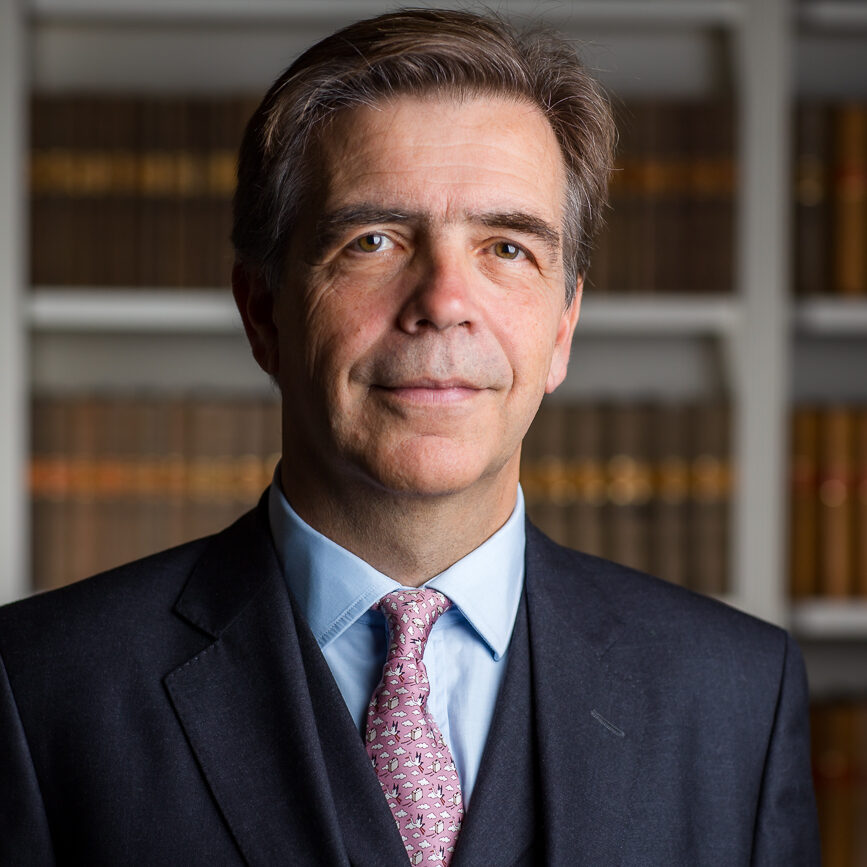
Nicolas said: “A big thank you to the organisers of this magnificent conference, whose professional organisation and the exceptional quality of the speakers in the plenary sessions have done great credit to the legal profession in France.”