Felicity Steadman Delivers the CMC Annual Academic Lecture 2026
Felicity Steadman Delivers the CMC Annual Academic Lecture 2026
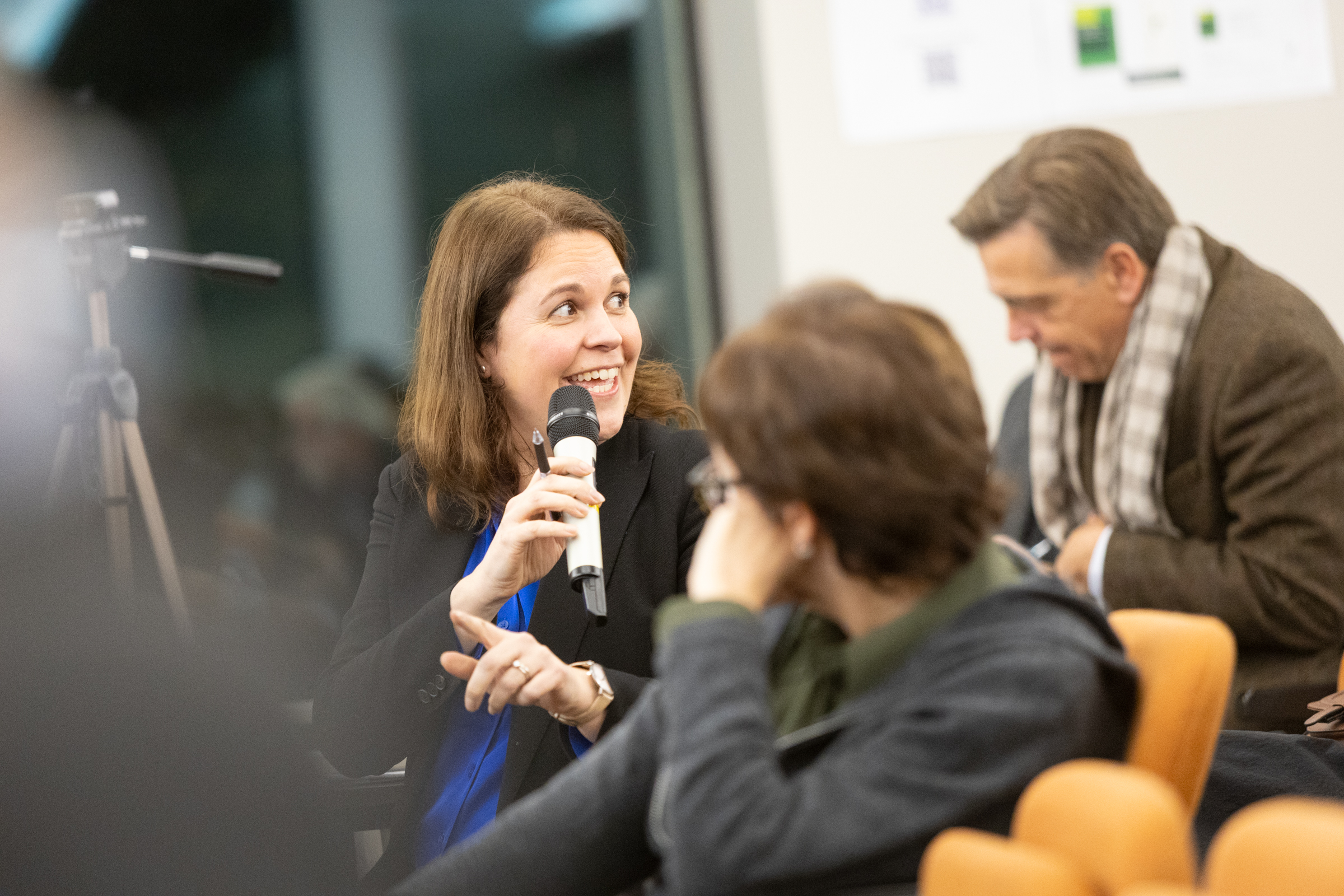
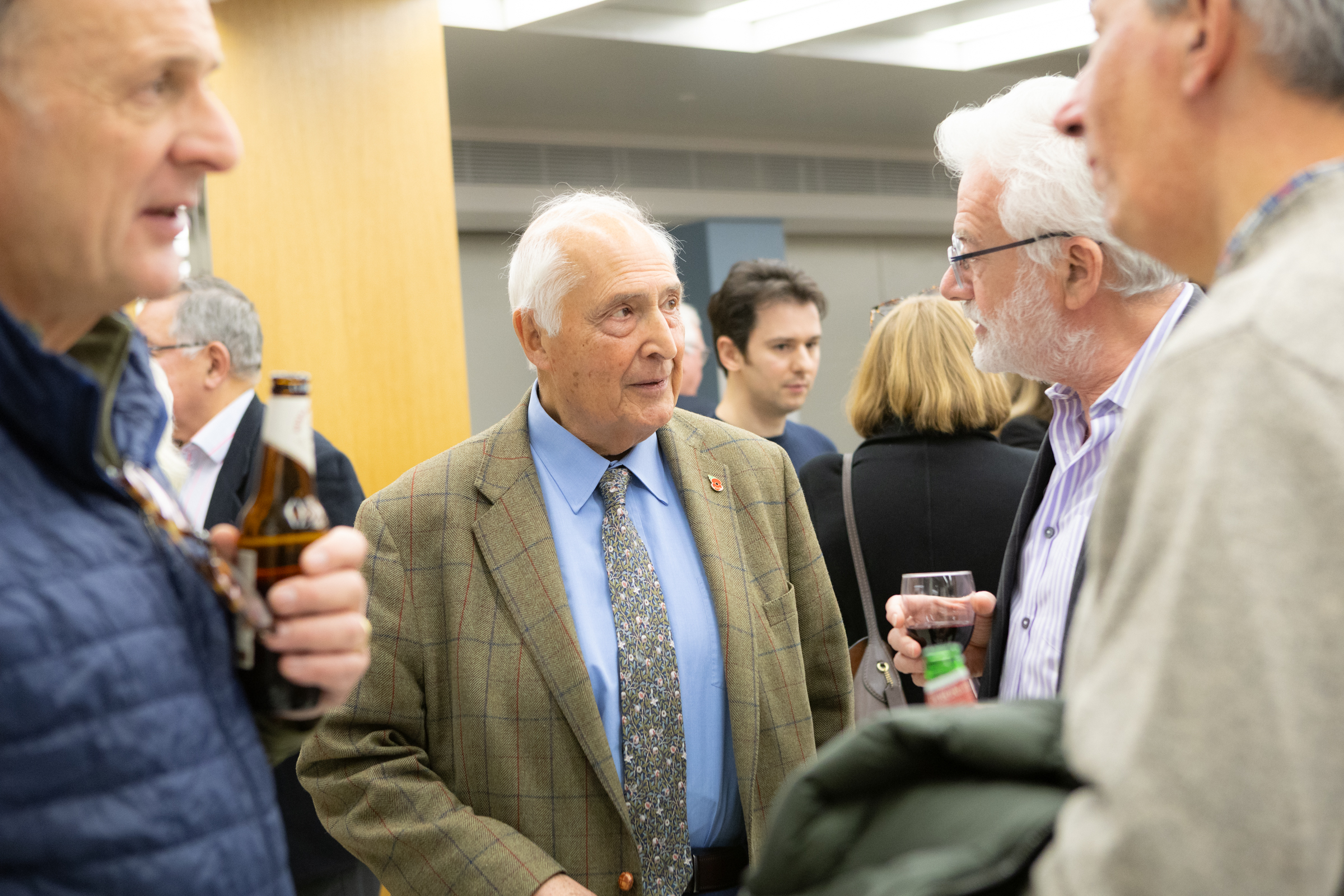
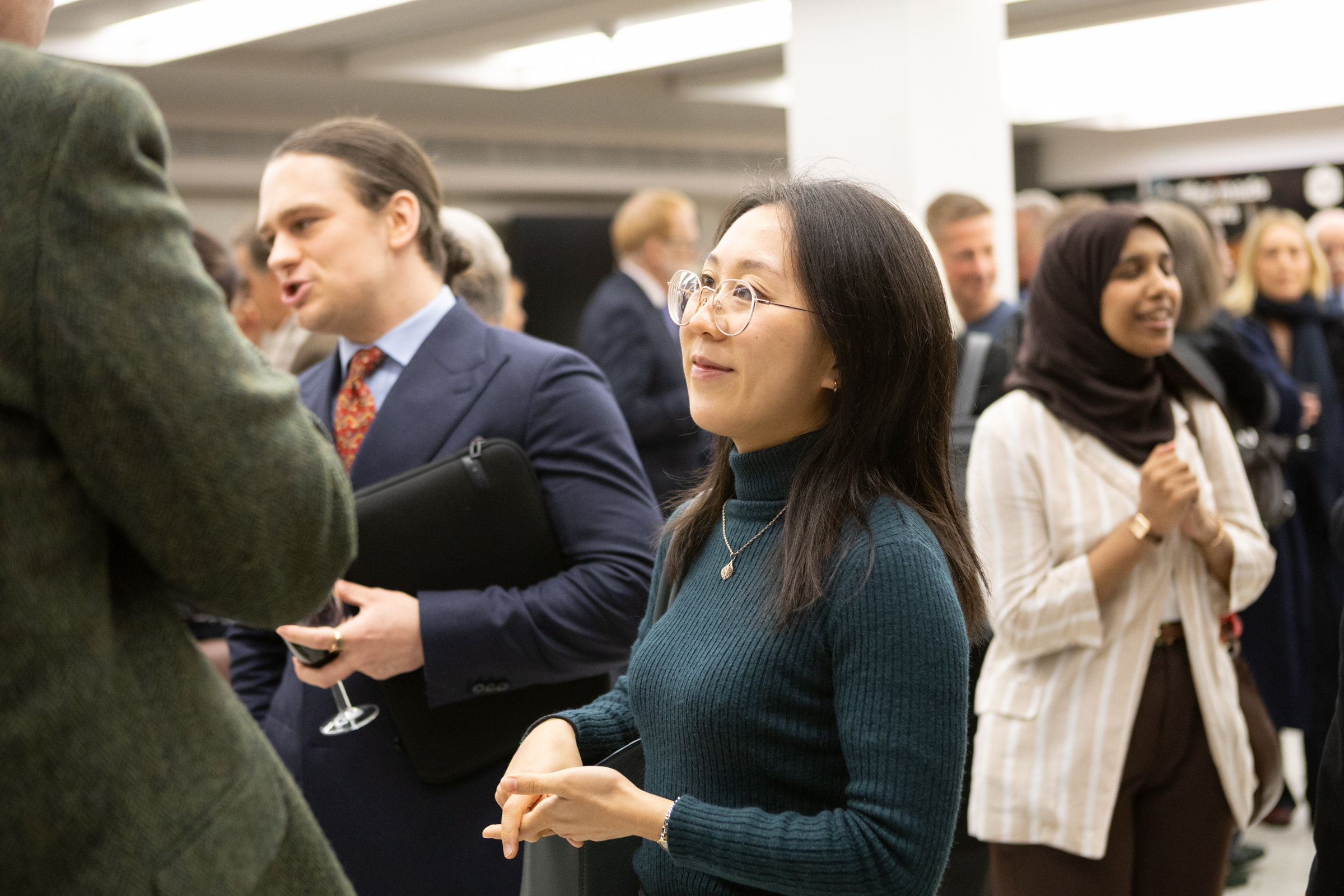
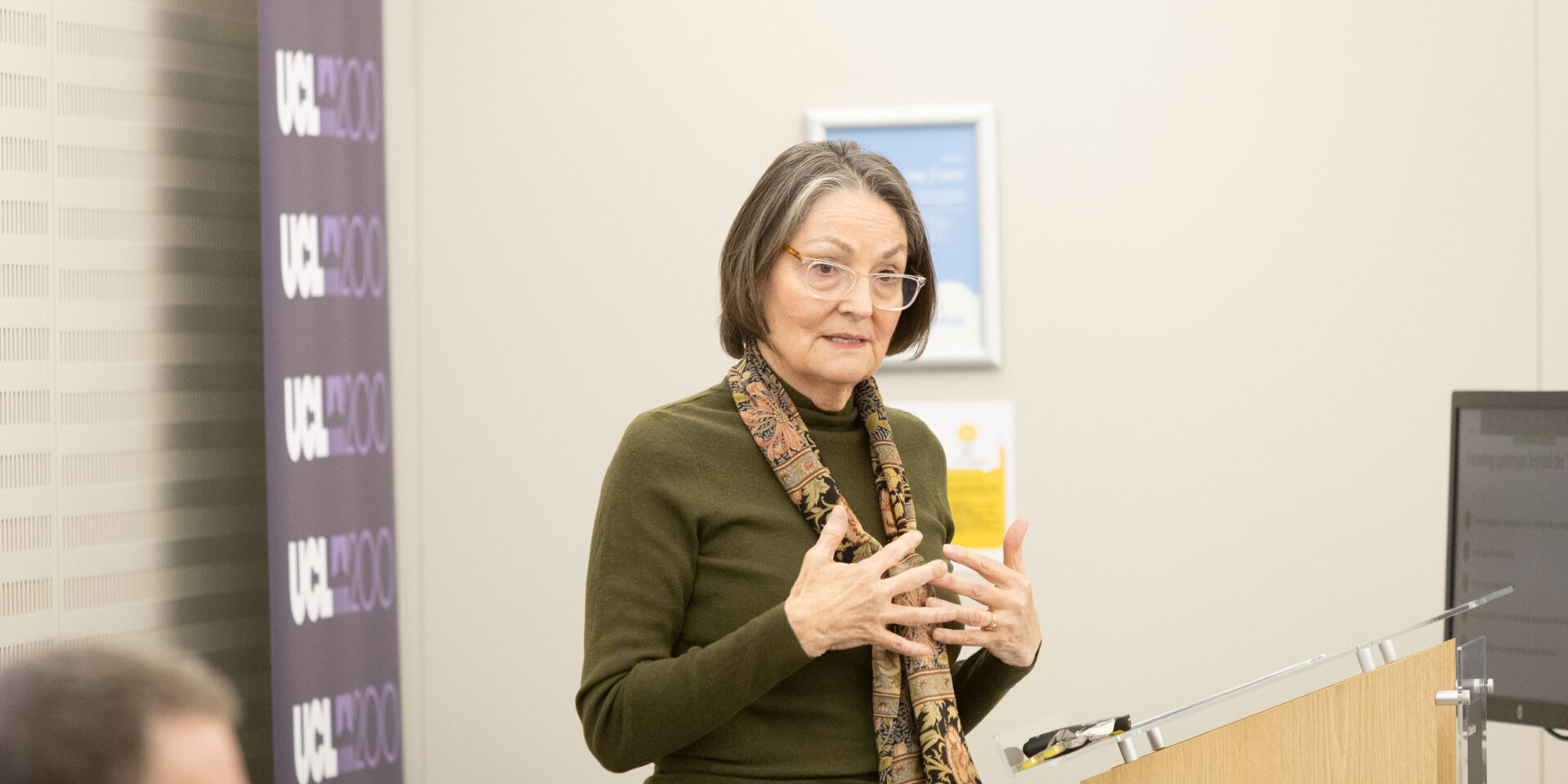
Felicity Steadman delivered the CMC Annual Academic Lecture 2026 at UCL’s Centre for Dispute Resolution to an engaged audience in person and online. Drawing on her experience in South Africa and the UK, she explored how mediation can prevent conflict from escalating in the workplace.
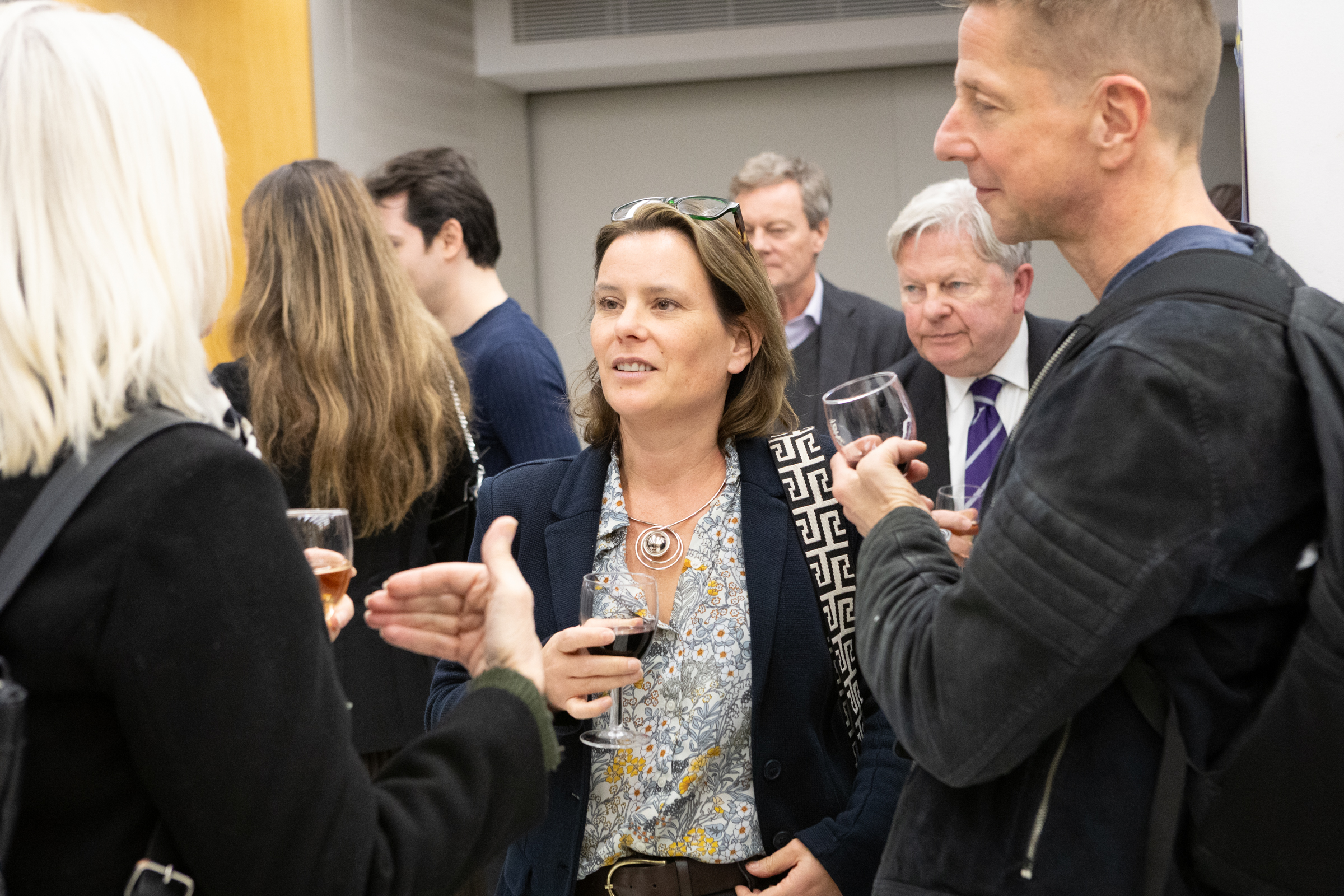
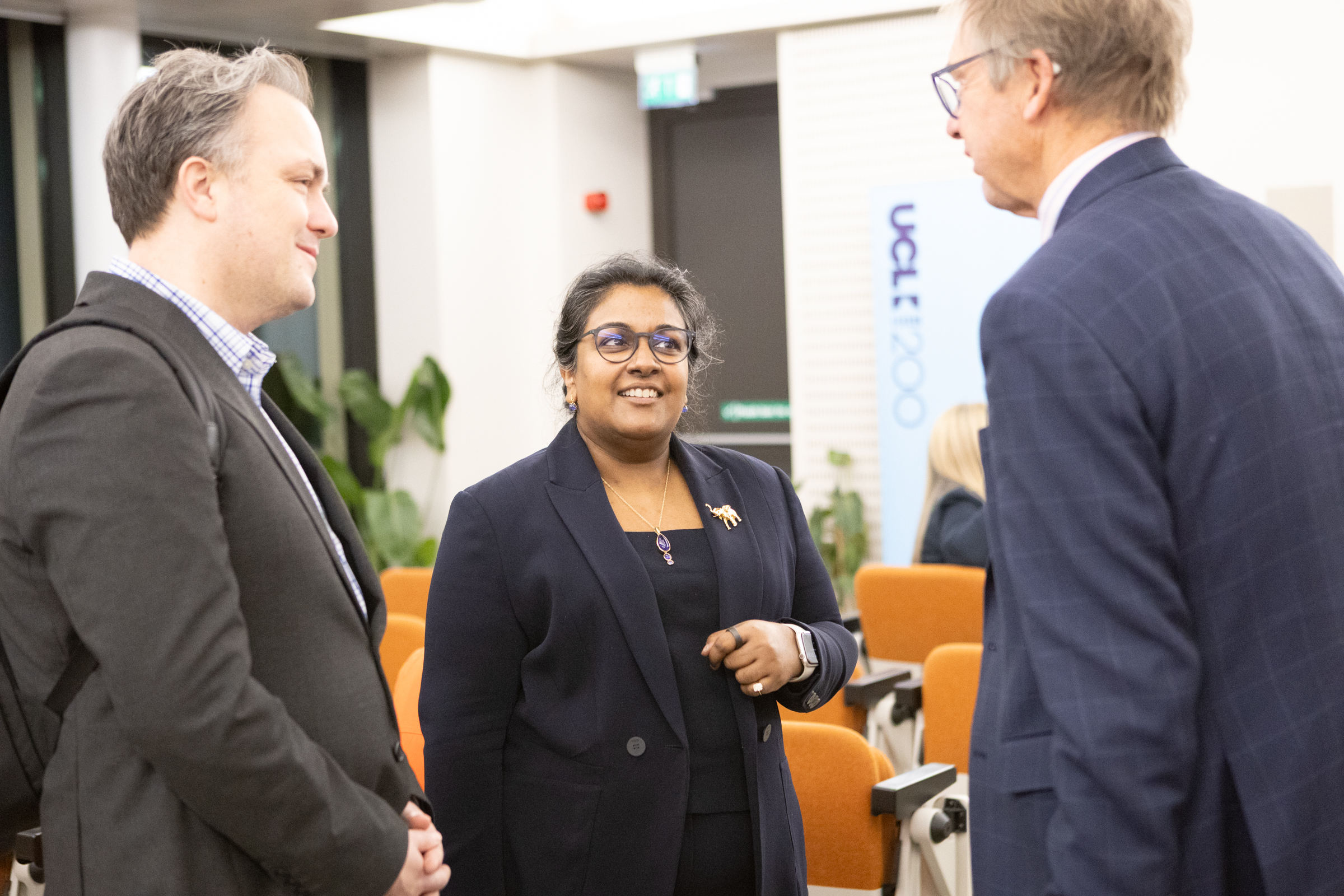
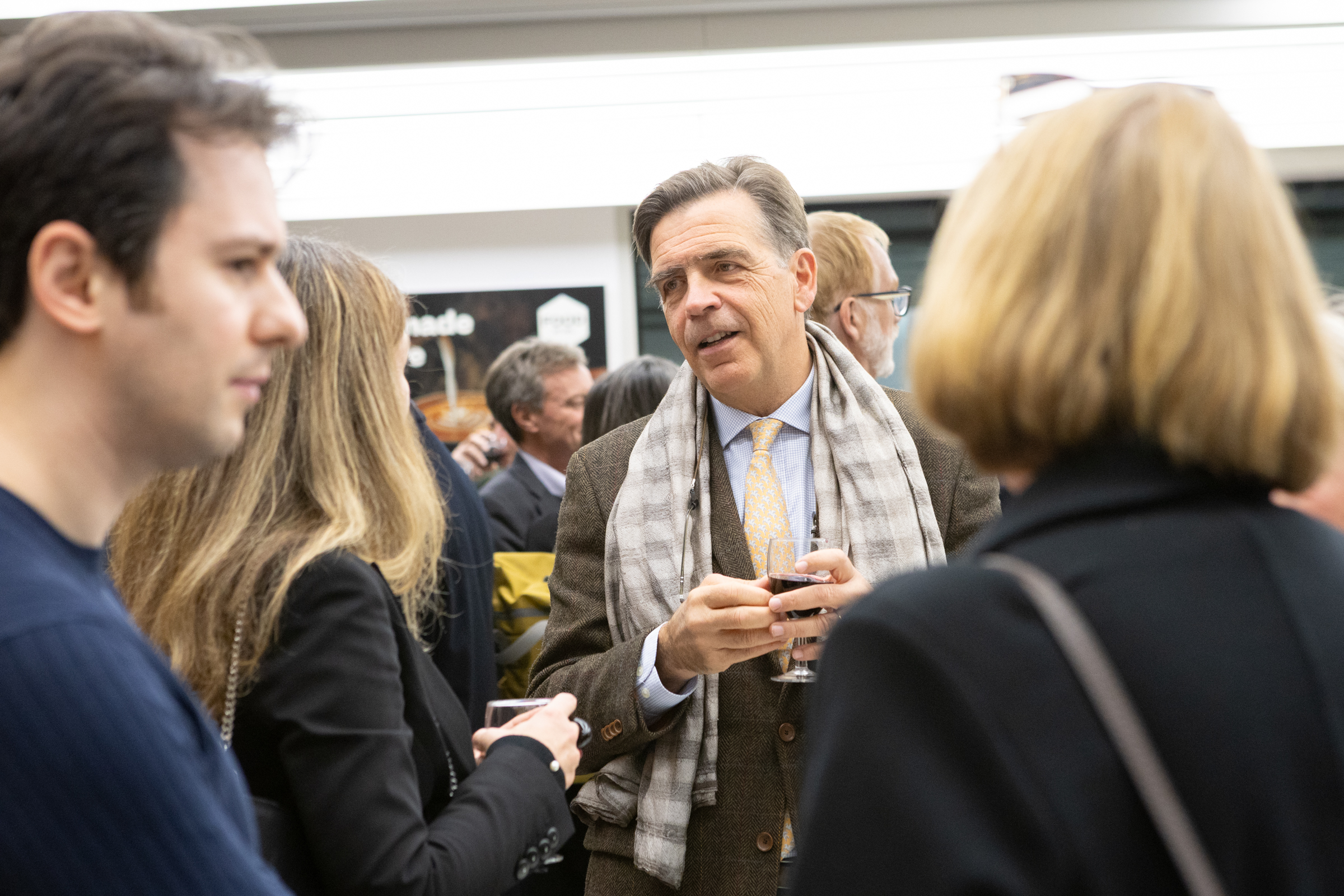
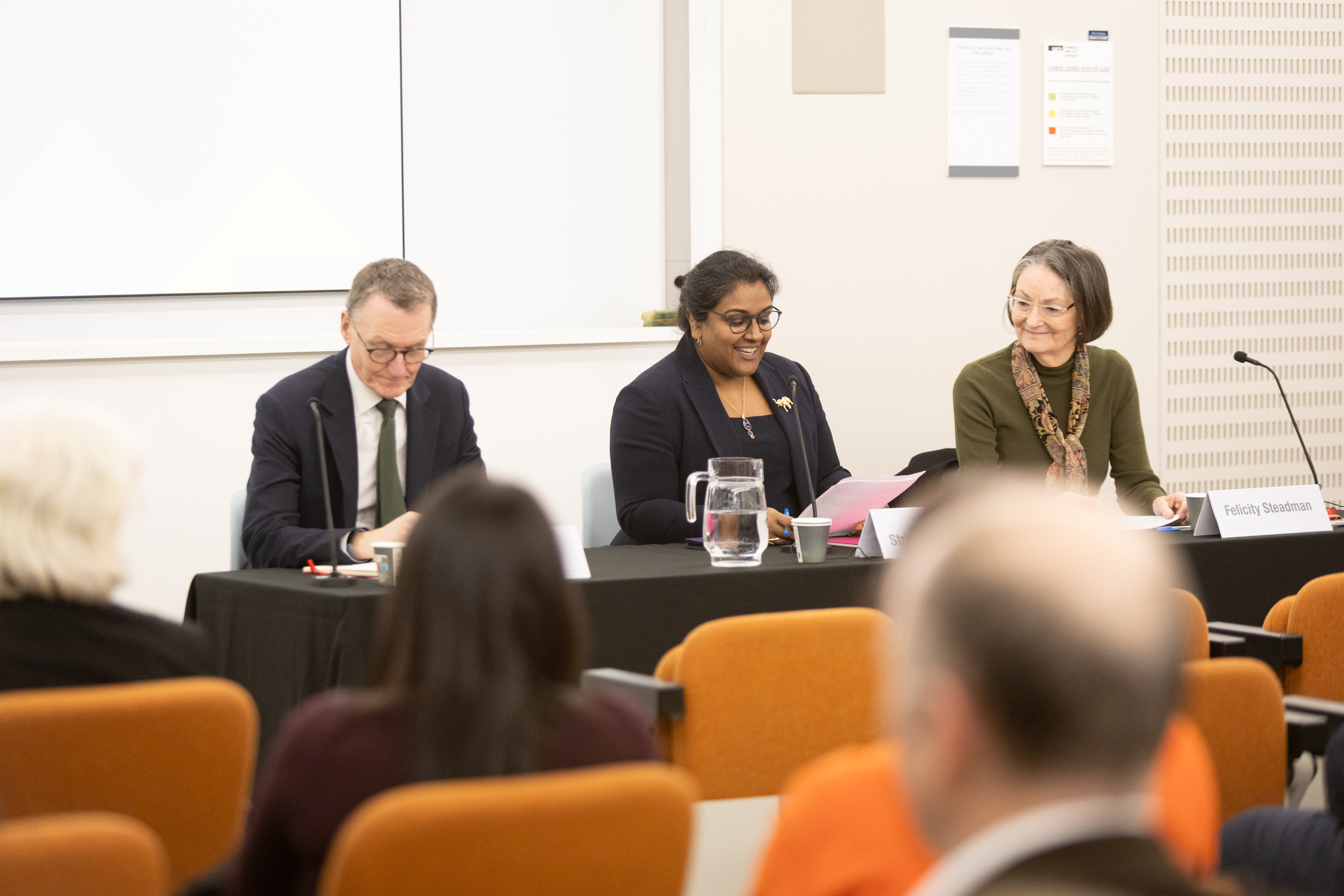
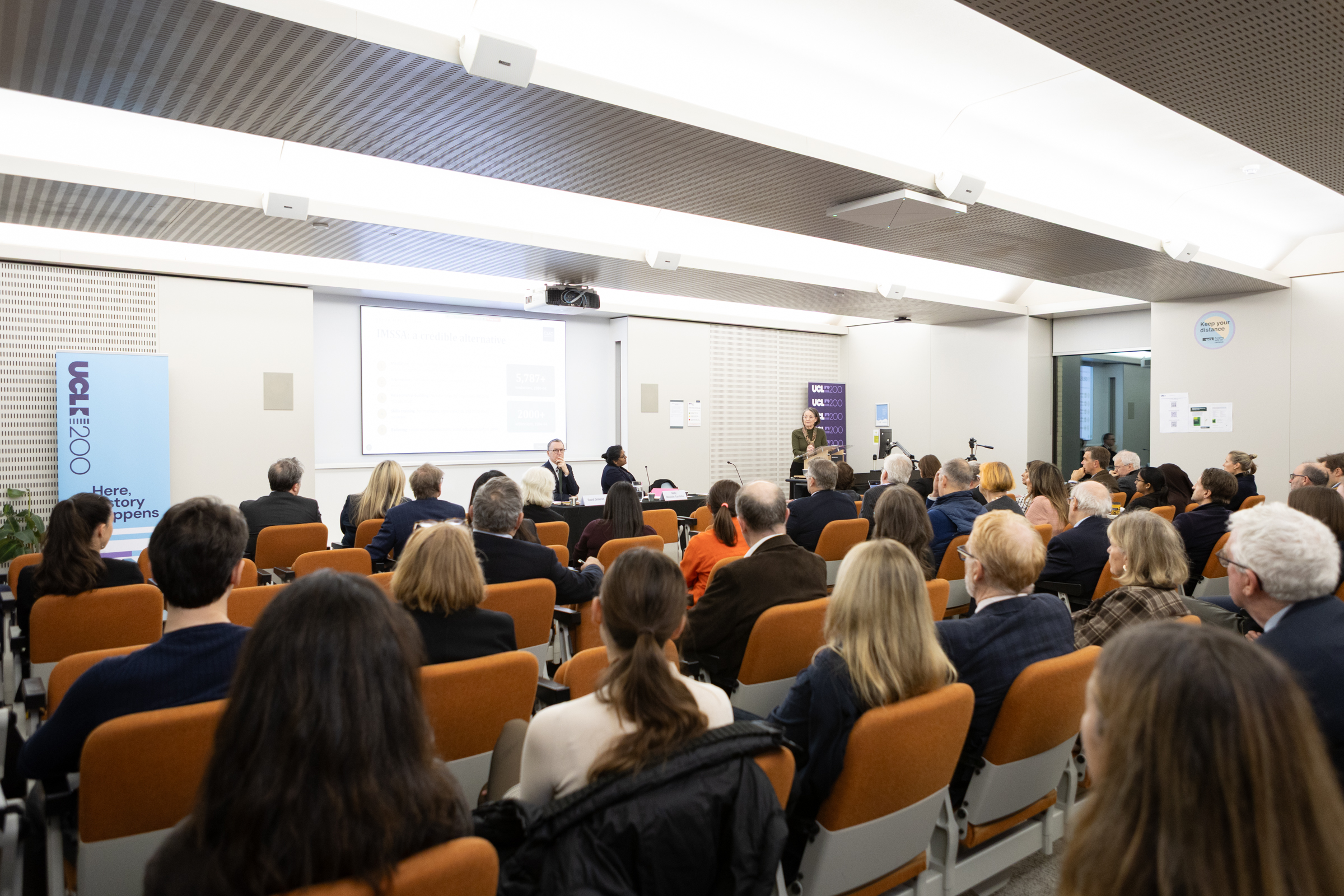
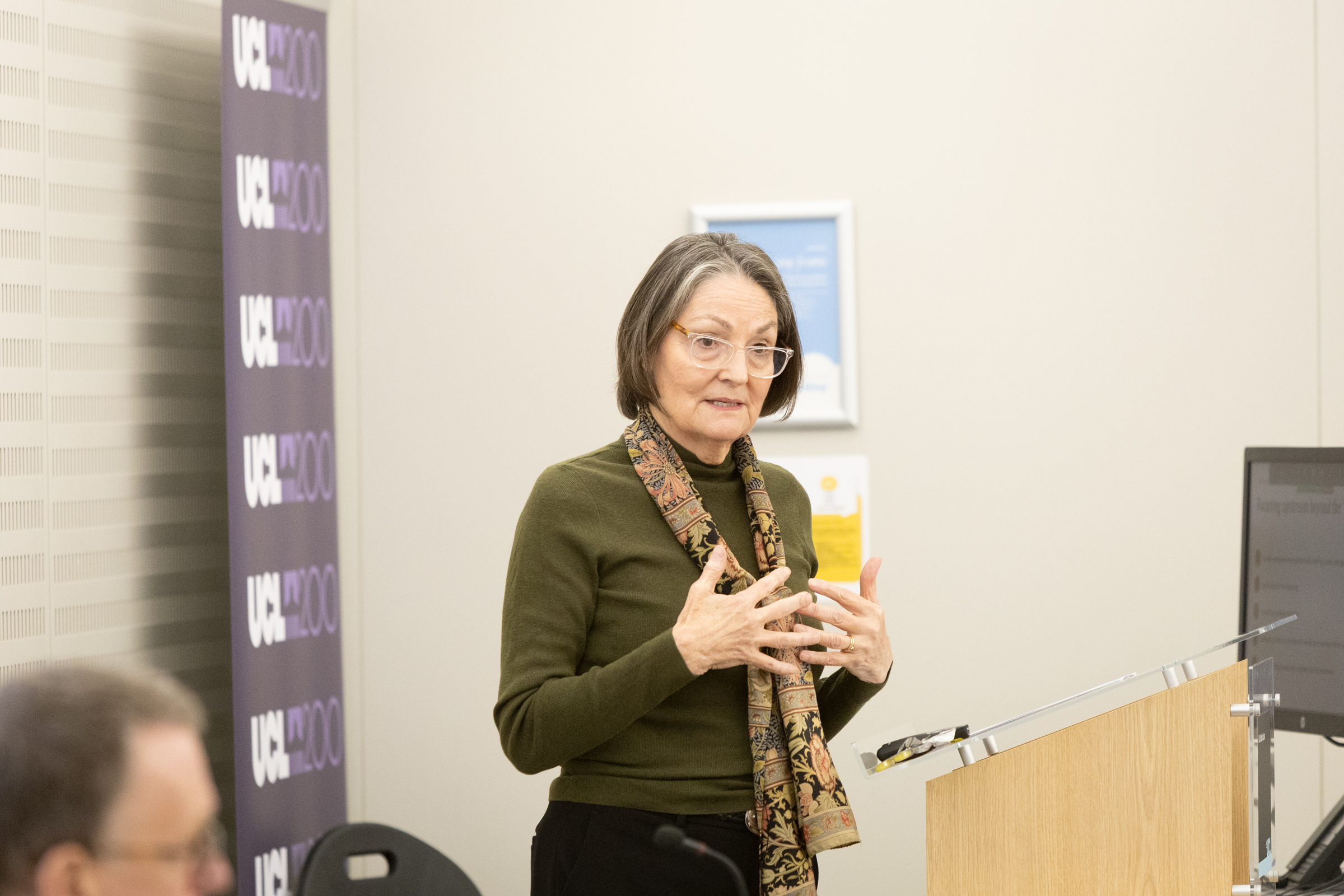
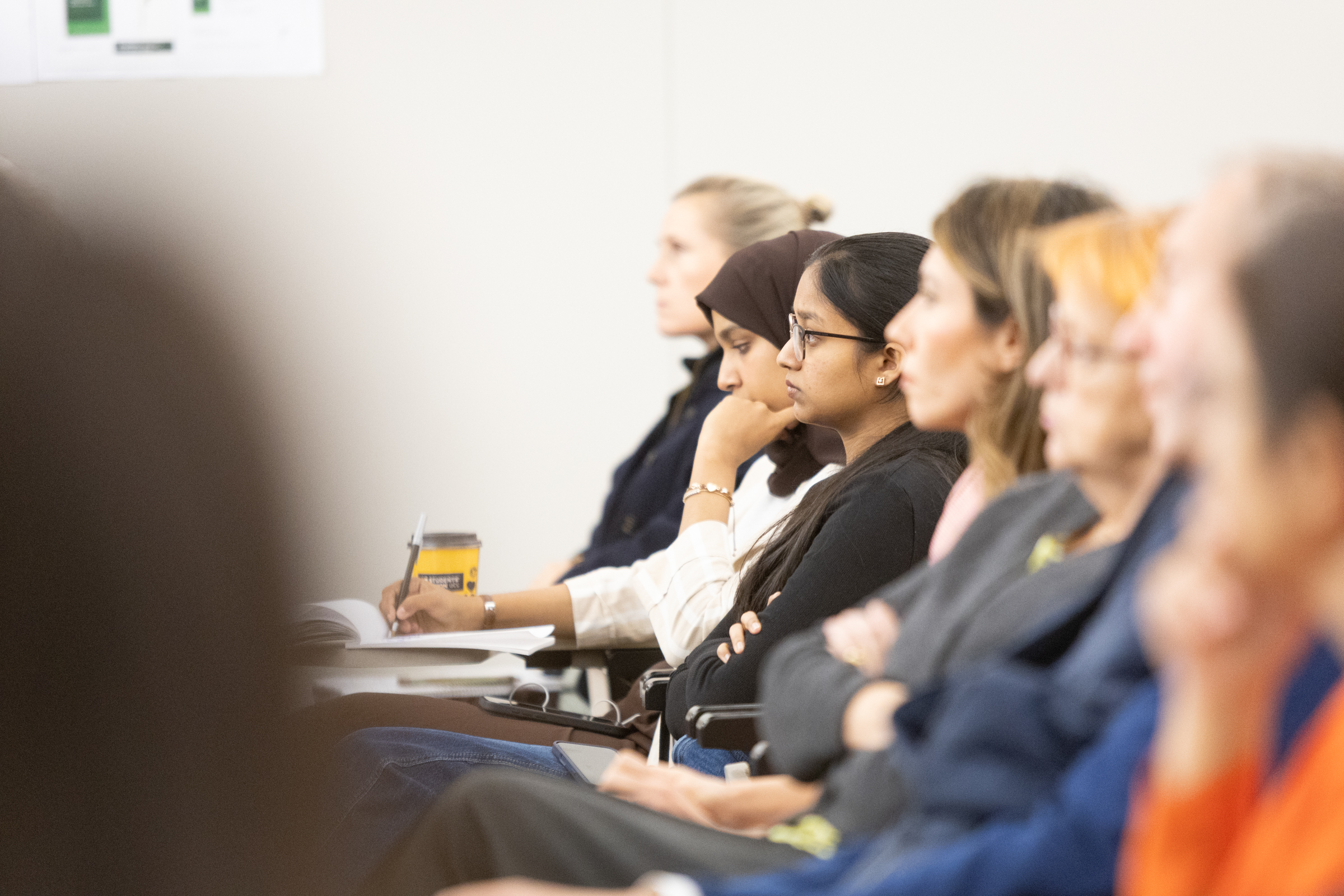
The CMC Annual Academic Lecture was delivered by Felicity Steadman at the UCL Centre for Dispute Resolution on 12 November, to an engaged audience both in person and online who were keen to learn more about how mediation can prevent conflict escalation in the workplace.
The international comparative angle really brought the lecture to life, as Felicity detailed her experience with labour relations in South Africa post-apartheid, when trust was a scarce commodity between workers and employers.
Examples of conflict mediated included one case that culminated in an agreement to leave weapons in lockers at the beginning of the work day. Felicity detailed how, whatever the dispute, it was all about uncovering the interests underlying stated positions.
Drawing these lessons together, Felicity said: “The South African experience shows that statutory machinery matters but cannot do the work alone: the real opportunity lies upstream, before disputes harden and relationships are broken. The 2026 Acas consultation draft gives us an opening to move in that direction, and the Civil Mediation Council, private providers and individual mediators are well placed to help it succeed.”
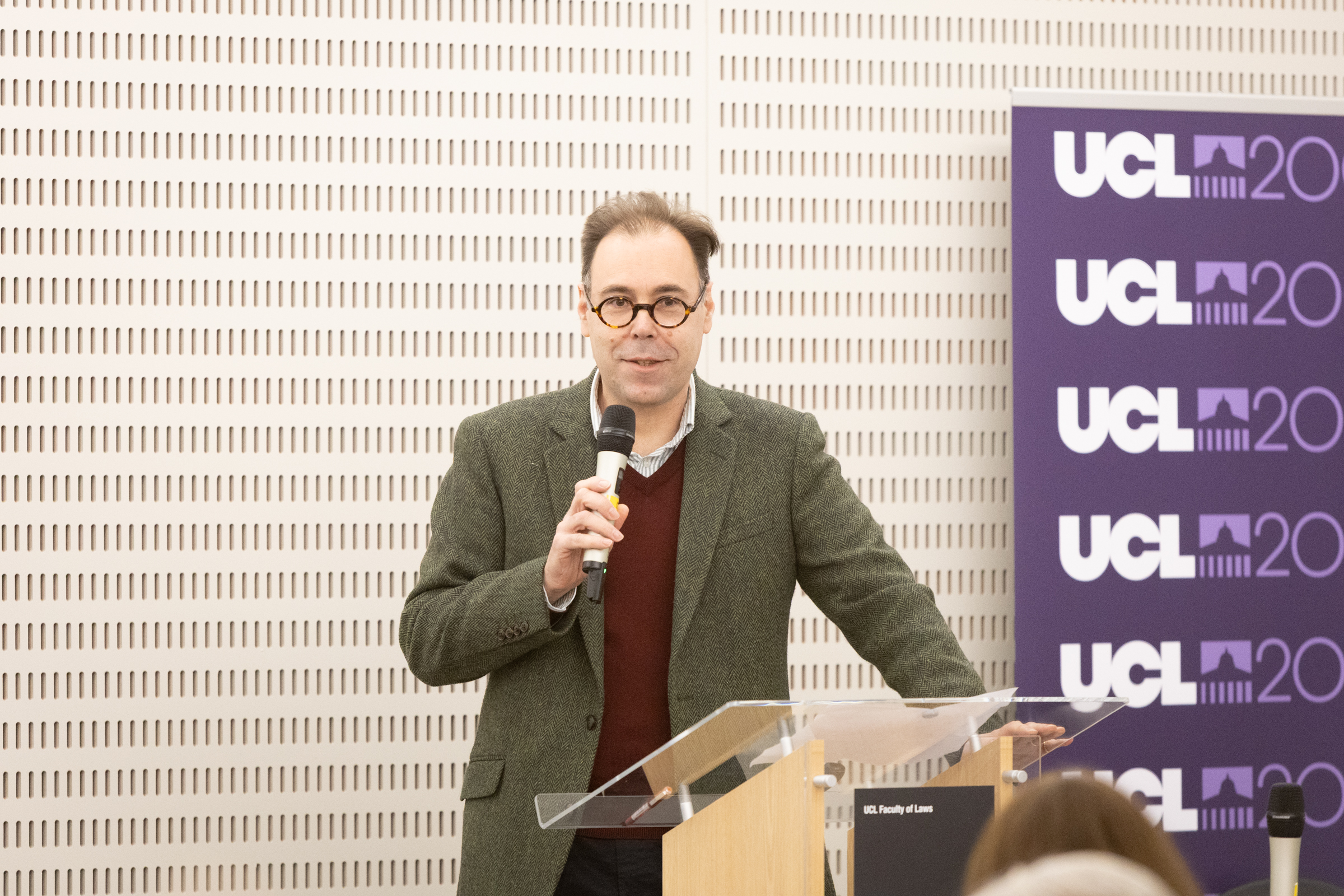
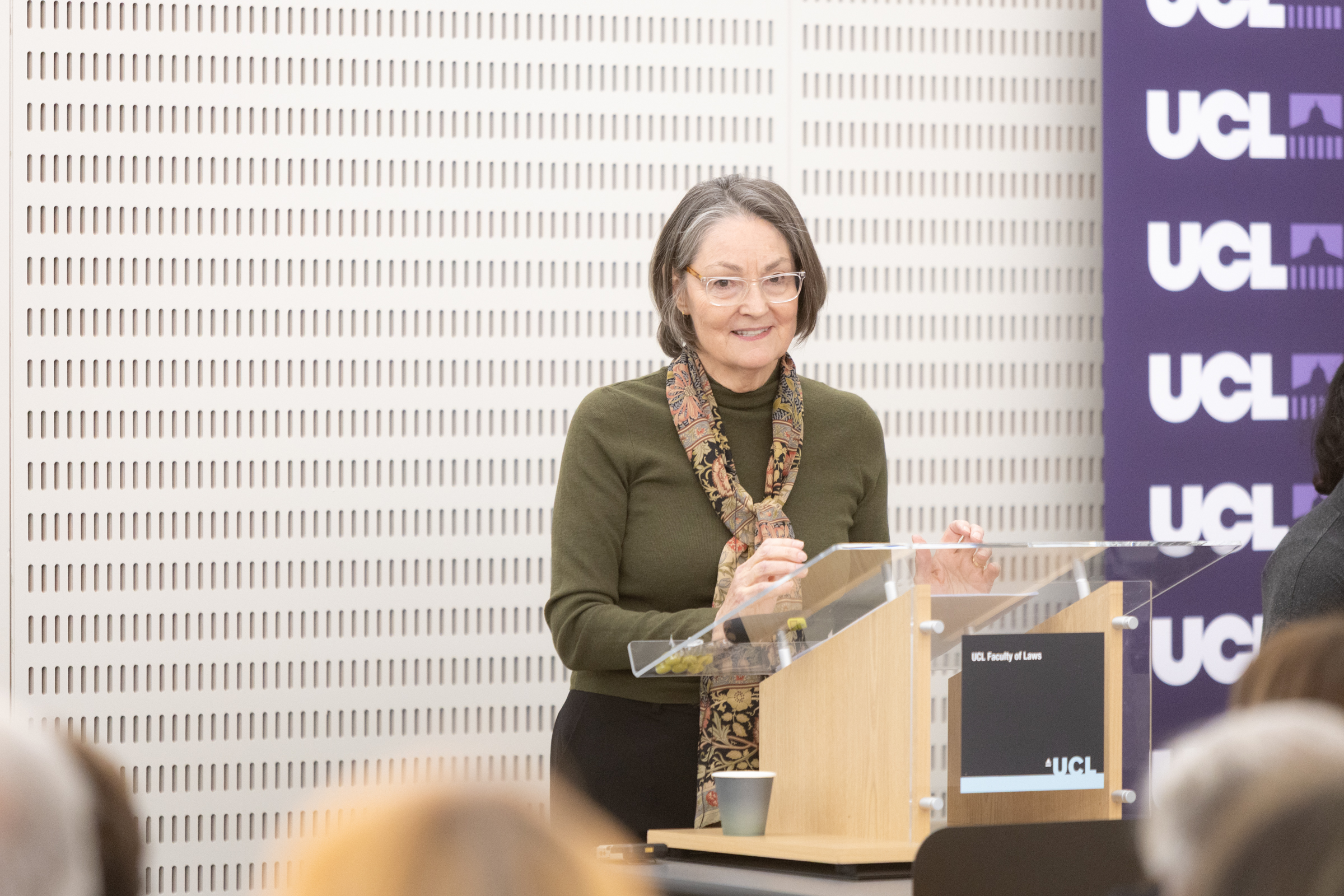
Reflecting on the position in the UK, Felicity welcomed the revision to the new draft Acas Code that included mediation in the body of the Code for the first time. She hoped that subsequent consultation would encourage an earlier and more detailed inclusion of mediation in the document that would acknowledge a clear distinction between mediation and facilitated conversations, and also recognise the importance of mediators being properly trained and accountable to professional standards.
Looking ahead, Felicity added: “The evolution of employment conflict management and dispute resolution is reaching a critical inflection point. We are witnessing a systemic shift away from the belief that employment tensions can be managed solely through defensive policies and procedures, and quasi-judicial and judicial approaches. By moving upstream, safeguarding informality, and creating structured spaces for human-to-human engagement, we achieve better organisational outcomes and resolve workplace conflict and potential employment disputes with greater efficiency, dignity, and care.”
The interactive lecture allowed for questions during and after the lecture from guests in the room and online. We are hugely grateful to Felicity for delivering our 2026 Annual Lecture, and to UCL for so generously hosting this year’s event.
About Felicity Steadman
Felicity’s career began in the field of industrial relations in South Africa during the apartheid years, and she has been a dispute resolution professional since 1989. She has 34 years’ experience as a mediator, has mediated over 500 cases in 32 countries, and has mediated a wide range of individual and collective employment disputes, as well as commercial disputes.
Felicity qualified as a CEDR mediator in 2003 and was appointed Head of Faculty at CEDR in 2019. She is a founding member of Oxford Mediation, co-founder and director of Conflict Dynamics in South Africa, and a former Senior Commissioner at the Commission for Conciliation, Mediation and Arbitration (CCMA). She has also trained conciliators for the International Labour Organisation for many years, and has published extensively on labour dispute resolution.