Where is AI Heading? Julia Burns on First-Hand Experience and the CMC AI Survey
Where is AI Heading? Julia Burns on First-Hand Experience and the CMC AI Survey
AI is rapidly finding its way into mediation rooms, and the profession is beginning to consider what that means. Mediator Julia Burns shares a first-hand account of AI appearing uninvited in a recent session. Her experience reflects exactly the kind of practical insight the CMC is seeking to capture through a new survey, launched by the CMC’s AI Working Group.
The Civil Mediation Council is seeking the views and experiences of mediators on the growing use of artificial intelligence within mediation practice.
AI tools are already being used in mediation rooms across the country in a variety of ways, and the profession is beginning to consider both the opportunities and the challenges this presents.
Through this survey, we hope to better understand how AI is currently being used, any concerns or risks that mediators have identified, and what guidance or safeguards may be needed to support its responsible and effective use in the future.
The survey closes on Friday, 17 July 2026.
Your feedback will help inform the development of guidance on the use of AI for the mediation profession as this area continues to evolve.
To illustrate why this conversation matters, we are pleased to share the following piece by Julia Burns, who encountered AI in the mediation room before the profession had begun to find its answers.
Another Voice in the Room: AI in Mediation
WRITTEN BY JULIA BURNS
I had a moment in a recent mediation that stopped me in my tracks when I realised what was happening.
There was another voice in the room, and they hadn’t signed the confidentiality agreement. It wasn’t a friend or family member – it was AI.
It was a hybrid mediation (where I was joining remotely with the clients and lawyers physically together in separate rooms). It transpired that one of the participants had been feeding parts of the discussion into AI. This was mainly happening while I was in the other room. When I returned to continue the discussion in their room, the mediation participant had clearly been using it to generate prepared responses.
Who else is, in effect, “in the room”?
It was (unsurprisingly) quite a difficult mediation, where I felt that I couldn’t really get an effective conversation going in that room. We would discuss a point (for example the value of the property for negotiation purposes), make progress on it and I would feel that we were moving on, only for the same point to come back up again later. It felt like it had never been discussed and acknowledged. I was becoming increasingly perplexed.
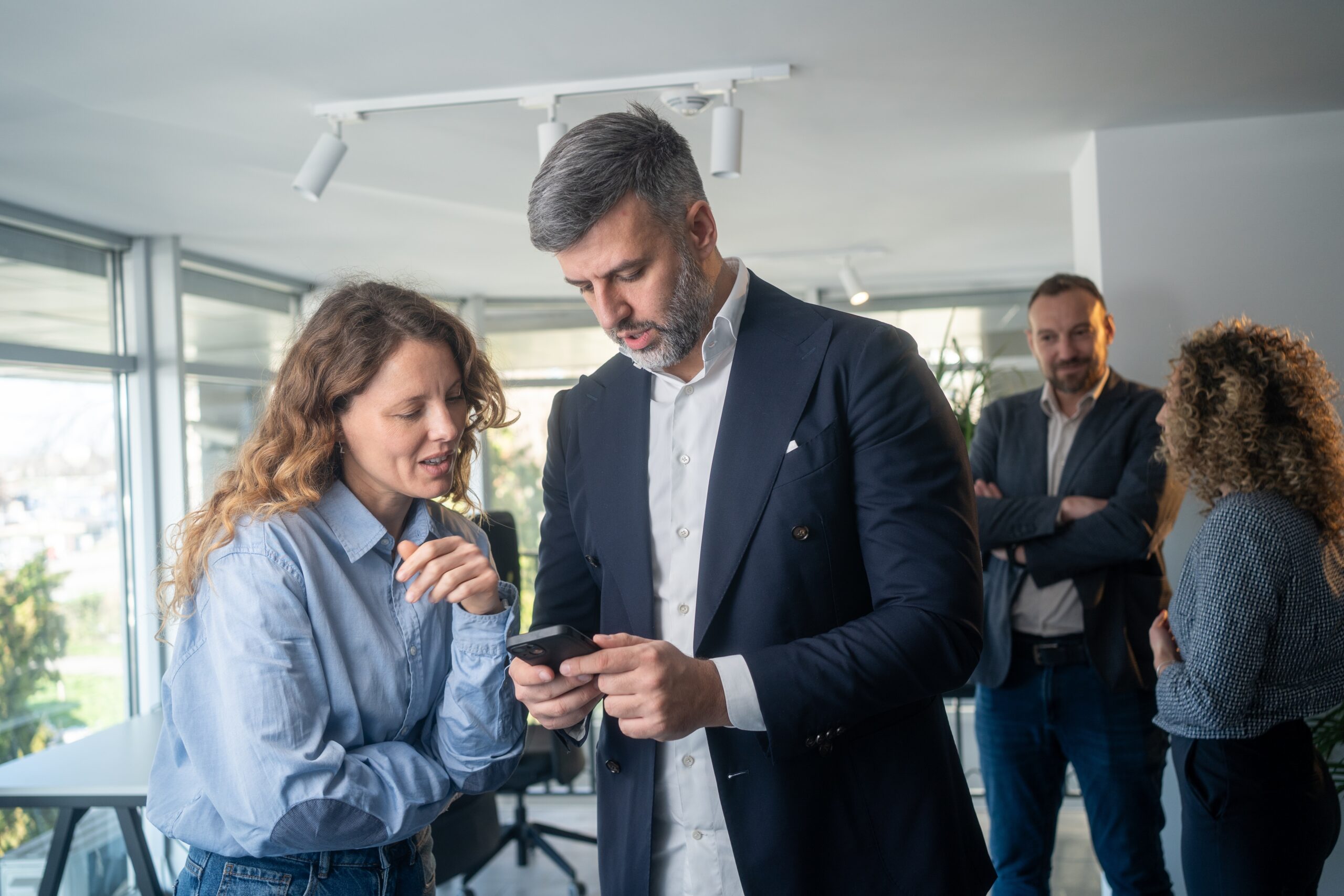
Towards the very end of the mediation, it dawned on me what had been going on, but I only had a chance to process it after the mediation had finished. The client’s lawyer also only realised what was happening towards the end.
Despite the difficulties, at the end of the mediation, the parties were unexpectedly a whisker apart when the party in question decided to walk away. The offer from the other room at that point was a good one. Afterwards, I couldn’t help wondering whether perhaps the client had been told to leave the mediation by his newly instructed AI coach as a tactic? With my continued support, the parties reached a settlement a few days after the mediation, at the last offer made on the day by the other room.
If you haven’t seen AI coming into the mediation room yet, I guarantee you will in the next 6-12 months.
At one level, this is unsurprising. AI is now everywhere. Of course it has found its way into mediation rooms. Other experienced mediators have raised other issues including:
• AI notetakers following mediation participants into Zoom meetings
• Another situation where two clients brought a pre-prepared negotiation strategy to the mediation and stuck to each move all the way through (interestingly, a settlement was reached very close to what AI predicted, but that’s for another discussion!)
The use of AI in mediations raises some interesting and profound questions.
Mediation depends on everybody being fully present in the flow of the conversation. It requires everyone to listen to multiple nuances and layers of that conversation. Those discussions sometimes dart about, and they can be complex. When responses are shaped elsewhere by a machine, something fundamental can be lost.
An element of this that concerns me significantly is the way that AI tends to reinforce positional thinking. If not set up to do otherwise, most AI platforms tend to validate the user’s existing thoughts and feelings rather than helping them to consider other perspectives. This is exactly the opposite of what mediators are asking parties to do in a mediation. The introduction of this “AI thinking”, is likely to lead to people being more entrenched instead of reflective, and that’s before we even consider the fact that it will only be working with the facts and information it is given. The risk is that people will be operating in an echo chamber.
More troubling still are the confidentiality implications. Mediation is built on trust: that what is said in the room stays in the room. If discussions are being fed into third-party AI tools, where is that information going? Who else is, in effect, “in the room”?
Then there is the question of authenticity. If a party is being assisted with AI-generated responses, whose voice are we really hearing? My perception was that the AI voice was interfering with the client’s own logical thought patterns and making it very difficult for them to think straight. How can I mediate with someone I can’t actually talk to?
How can we use AI in a way that supports mediation without compromising confidentiality or trust?
Troubling as this anecdote is, I personally don’t think the answer is to ban the use of AI in all mediations. There are some skilled mediators encouraging AI into the process. For example, Susan Guthrie in the USA actively and openly uses AI in her matrimonial mediations in her discussions with the parties (who are in the same room with the mediator) to generate options for discussion. She reports that by inviting AI into the room, the parties switch from blaming each other to shared problem solving mode, engages a different part of the brain. This has a calming effect, which brings the temperature down.

Used carefully and thoughtfully, AI could have a place. It might help a client organise their thoughts, reflect during breaks, or find words for something they are struggling to express. It may generate other options for discussion which may help cut through blind spots leading to tunnel vision.
A bit like the family member influencing in the background, perhaps the answer is to invite AI into the discussion, rather than let it sit in the shadows?
Lawyers are already being impacted by the way clients are using AI in their day to day work. They are finding themselves not just advising their human client, but having to respond to AI-generated content. If you haven’t seen AI coming into the mediation room yet, I guarantee you will in the next 6-12 months.
So how can we use AI in a way that supports and enhances the mediation without compromising confidentiality or trust?
Just like the AI conversation in society generally, this is new territory. It calls for awareness, boundaries, and conversation between experienced professionals. In the end, we may well end up with positive innovation.
Mediators and lawyers need to be having sensible conversations about this topic. That conversation feels urgent and important to me.
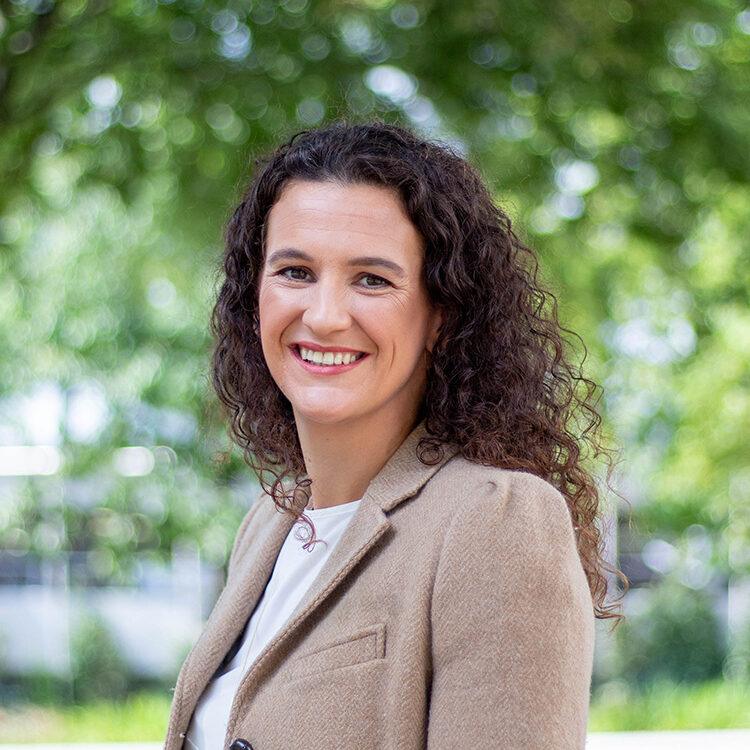
Julia Burns is a mediator and experienced lawyer with a strong national reputation. She has significant expertise in resolving disputes for private individuals in the field of contentious trusts and probate. She is known for having a high degree of empathy and emotional intelligence, which are at the heart of what she does for clients and lawyers.
Julia is the only accredited mediator in the country with a specialist private client mediation qualification. As such, her expertise is not just helping families to resolve an existing dispute through traditional mediation; she also works with individuals and families more holistically and on a more long-term basis to facilitate difficult conversations and to build positive family relationships.
Connect with Julia on LinkedIn.