The Shift Starts Here: Mediation Education in Schools
The Shift Starts Here: Mediation Education in Schools
What happens when young people are introduced to mediation early? Polly Walker’s recent visit to a secondary school highlights how mediation is already part of the GCSE citizenship curriculum, and why this matters for the future of dispute resolution.
WRITTEN BY POLLY WALKER
‘If only we’d tried this sooner’ and ‘I wish I’d known about this before’ are phrases I often hear in the mediation room. Even when facilitating mediation training with groups already invested in alternative dispute resolution, come regular moments of realisation – ‘mediation isn’t at all what I thought it was!’
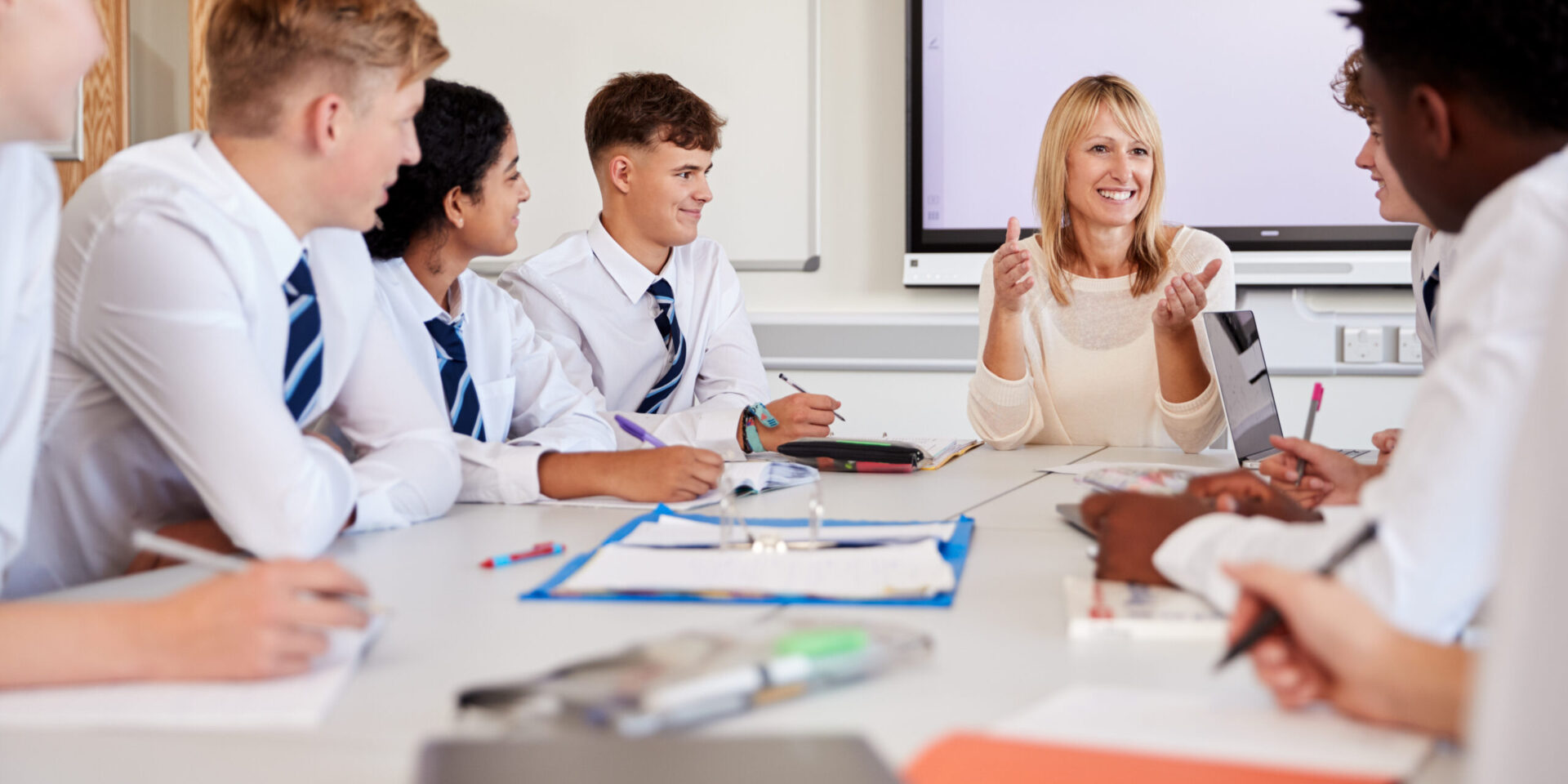
As someone who wholeheartedly believes in the power of mediation, I will never miss an opportunity to raise awareness of what it is, what it isn’t, how to access it, and the benefits it can bring. That’s why I jumped at the chance to visit Ashlyns Secondary School in Berkhamsted, Hertfordshire, during National Careers Week earlier this month, to speak with a group of Year 10 Citizenship students about what it’s like to work as a mediator, and the route I took to becoming one.
Mediation in the GCSE Citizenship Curriculum
As I liaised with staff about how best to structure the session, I learned that, as part of the GCSE citizenship curriculum, the group had recently been taught about the role of mediation in employer–employee disputes. Later in the year, they will also study restorative justice, as well as the role mediation can play in resolving civil disputes.
The GCSE Citizenship syllabus outlines the areas to be covered throughout the course, including the key features of mediation, with a neutral third party facilitating effective communication to help the parties reach a mutually acceptable resolution. The syllabus also highlights the skills and values students are expected to develop, including active listening, communication, negotiation, problem-solving, empathy, the ability to understand different viewpoints, and critical thinking and evaluating solutions, with the aim of developing greater knowledge and understanding of how citizens can address issues in society. This was all absolute music to my mediator ears!
Embedding Mediation in Schools
One of the focus areas of my work as a mediator, is delivering Peer Mediation Training to children in schools. In this work I consistently see the positive impact of embedding a culture where conflict is managed collaboratively from an early age. Raising awareness among children and young people about how to work with one another, rather than against each other, shapes how they understand and show up for one another, how they view conflict, and how they can manage it positively, creating increasingly calmer, supportive and respectful school environments – important life skills that will eventually influence how they engage in their workplaces, communities and wider society. This is also highlighted in the recent report from the Civil Mediation Council on Peer Mediation.
During the session at Ashylns, I shared an anonymised workplace scenario that was successfully resolved through mediation. We explored an overview of the process and some of the key skills mediators use – including active listening, and the importance of empathy and curiosity in allowing people to feel heard, to build understanding, and develop greater self-awareness. With the help of a couple of willing volunteers, we demonstrated what happens when we aren’t truly listened to and reflected on how the non-judgmental, safe space that mediation offers, helps people move into a calmer state, enabling rational thinking and more constructive and respectful conversations.
We also explored the role of the mediator and the principles of mediation, and why these are so important. We considered how conflict can be a great opportunity – a chance to explore creative solutions, reach stronger, improved and lasting outcomes, and build trusting, resilient relationships.
Finally, the group asked a range of incredibly well-considered questions to develop their understanding of mediation further. From ‘does it ever go really wrong?’ to ‘how much can you earn?’ to ‘how do you qualify?’ – I was genuinely enthused by their curiosity and willingness to participate.
Starting with the Next Generation
Following my visit to Ashlyns, I reflected on the quote ‘Be the change you want to see in the world’, often attributed to Mahatma Gandhi. If we are to be better at having difficult conversations, overcoming disagreements, preventing the escalation of conflict, and working together more respectfully and collaboratively, we need to be equipped with the tools to be able to do so, as well as the confidence to use them, so that they might just start to become second nature. Where better to start than the classroom?
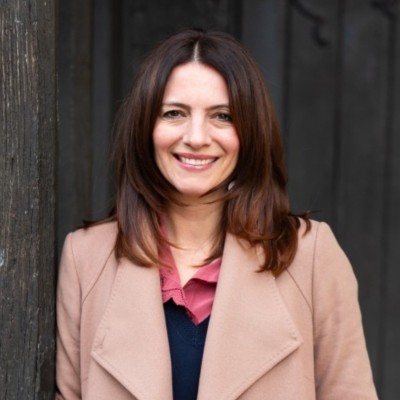
Polly Walker is an accredited mediator with over 20 years of experience in community, workplace and SEND mediation across the private, public and voluntary sectors. Her background is in education, including work with children and young people excluded from mainstream settings, which led her to specialise in conflict resolution and restorative practices, and later to train as a mediator.
She is also an ICF ACC accredited coach and delivers training in mediation and coaching. Polly continues to work with young people as a Peer Mediator Trainer, supporting them to develop skills to manage conflict constructively.
Connect with Polly on LinkedIn or visit her website.